Author: Ethan Miller

  • How to Build Multiple Income Streams Using Digital Business Tools

    How to Build Multiple Income Streams Using Digital Business Tools

    Relying on a single source of income is a risk that most serious professionals can no longer afford to take. The combination of economic unpredictability and genuinely accessible technology means that building multiple income streams with digital tools is less a luxury strategy and more a practical necessity. Whether you are a freelancer, a small business owner, or a corporate professional with ambitions beyond your salary, the infrastructure to diversify your revenue has never been more within reach.

    The key shift in thinking is this: income diversification used to require capital, connections, or significant time investment. Modern digital platforms have compressed that barrier considerably. What once took years to build can now be structured, tested, and iterated on in months, sometimes weeks.

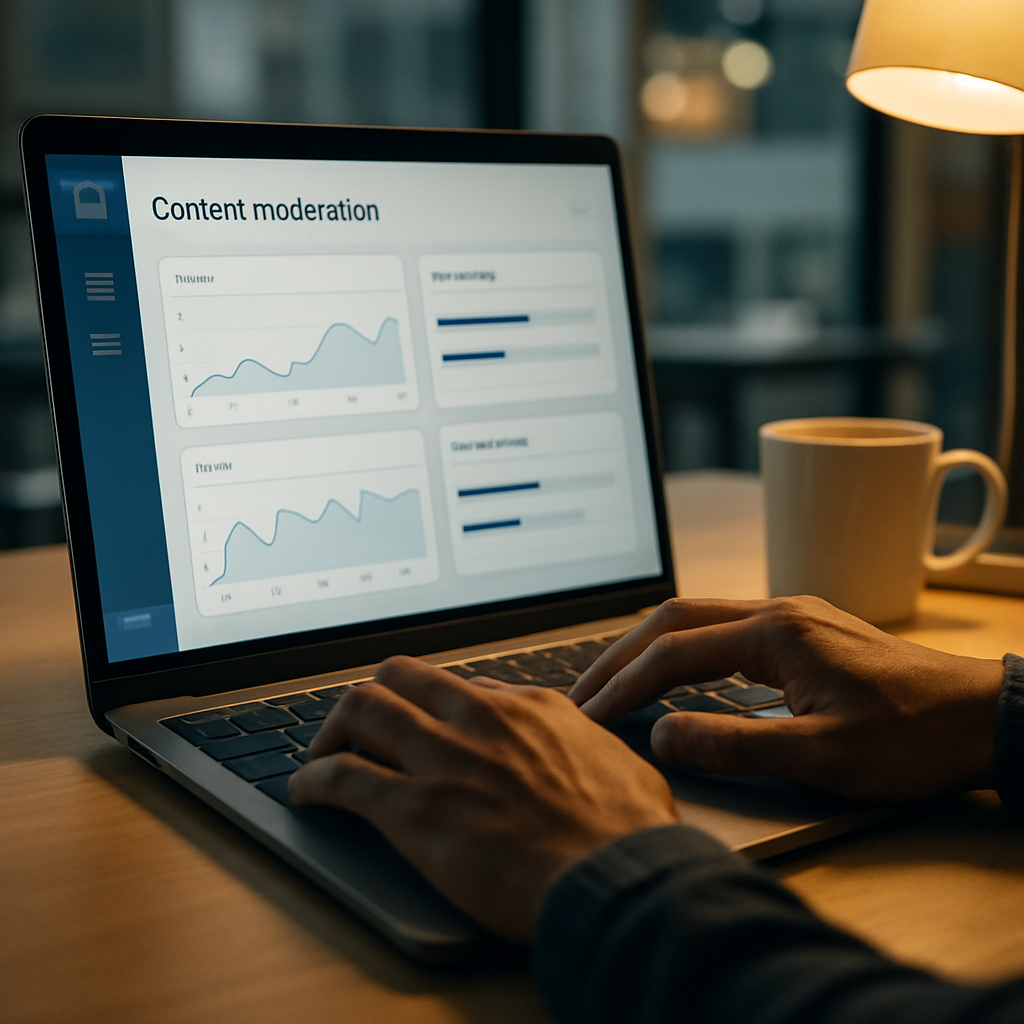
    Professional managing multiple income streams digital tools across multiple monitors in a modern office
    Professional managing multiple income streams digital tools across multiple monitors in a modern office

    Understanding the Foundations of Income Diversification

    Before diving into specific tools, it helps to understand the three broad categories of digital income: active income (you work, you earn), semi-passive income (set up once, maintain occasionally), and passive income (earns with minimal ongoing effort). Most successful entrepreneurs build across all three, using digital tools to manage the workload without expanding their headcount proportionally.

    A consultant who charges by the hour operates purely in active income. If that same consultant packages their knowledge into an online course, they shift some of their earning into semi-passive territory. Add an automated email sequence that drives course sales around the clock, and passive revenue starts to compound. The logic is straightforward; the execution is where most people stall.

    Digital Platforms That Actually Generate Revenue

    Choosing the right platforms is foundational. For knowledge-based income, platforms like Teachable, Podia, or Kajabi allow professionals to sell courses, memberships, and digital downloads without managing complex e-commerce infrastructure. For service-based professionals, tools like Thinkific or even a straightforward Gumroad store can monetise expertise that previously sat locked inside a day rate.

    Subscription businesses have matured considerably. Ghost and Substack remain popular for newsletter monetisation, while Patreon suits creators who want tiered community access. The point is not to use every platform, but to match the tool to the income model you are building.

    Email remains the most reliable owned channel for converting an audience into customers. Professionals who take email deliverability seriously tend to outperform those who do not. Tools such as Mail Tester, a UK-based email testing service, help businesses and entrepreneurs verify that their outgoing emails are actually reaching inboxes rather than vanishing into spam folders. For anyone running automated email sequences to sell digital products or services, that kind of technical hygiene directly affects conversion rates and, therefore, revenue.

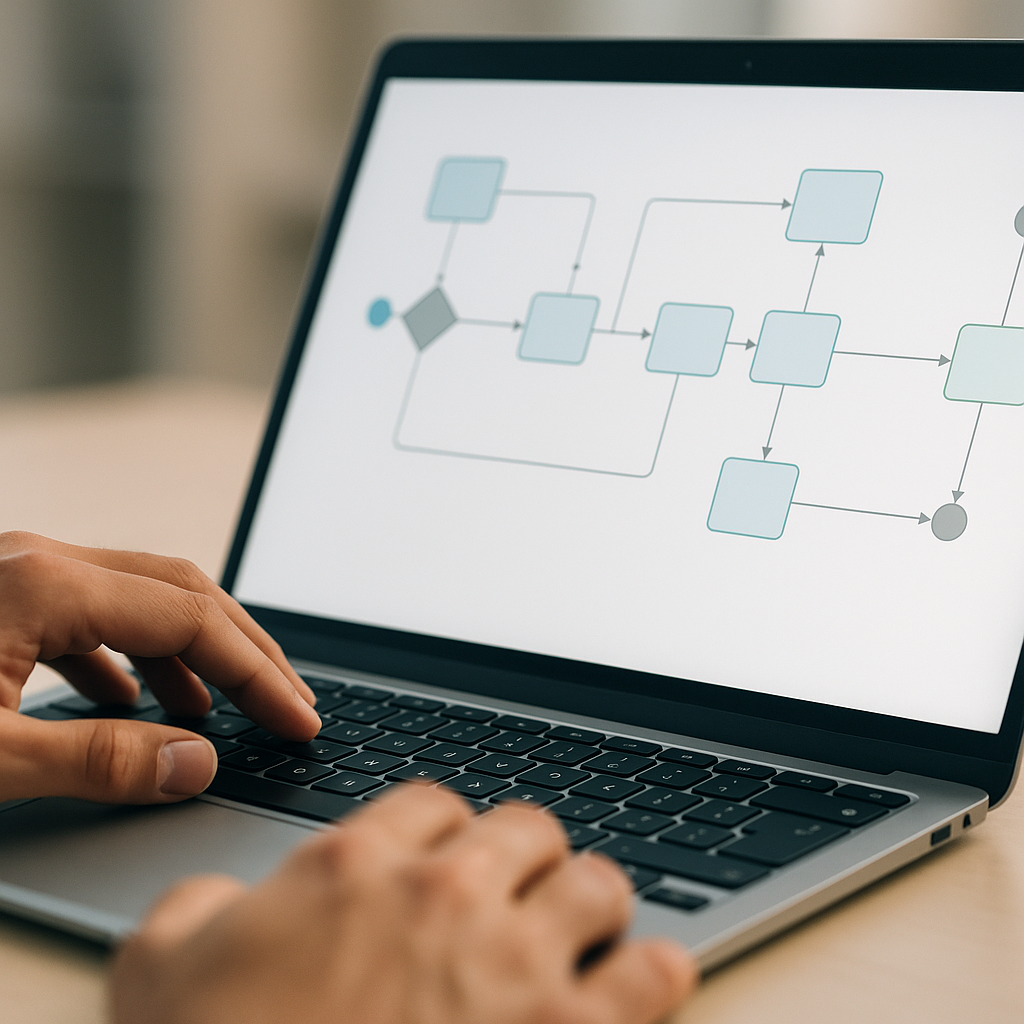
    Detailed close-up of planning process for building multiple income streams digital tools
    Detailed close-up of planning process for building multiple income streams digital tools

    Automation Software Worth Building Around

    The real multiplier for multiple income streams and digital tools working in tandem is automation. Platforms like Make (formerly Integromat) and Zapier allow non-technical users to connect applications, trigger workflows, and remove repetitive manual tasks from their schedules. A typical setup might automatically tag new subscribers based on which lead magnet they downloaded, enrol them in a relevant email sequence, and notify a CRM when they reach a certain engagement threshold, all without human intervention.

    For e-commerce and digital product sales, Shopify combined with automated fulfilment tools removes the need to manually process orders. Notion and Airtable serve well as lightweight business operating systems, giving solopreneurs and small teams a central hub to manage projects, content pipelines, and client work without hiring a project manager.

    What matters most is choosing tools that communicate with each other cleanly. A fragmented tech stack creates friction, and friction is the enemy of passive income. Spend time at the architecture stage and the ongoing maintenance becomes considerably lighter.

    Passive Income Strategies That Hold Up in Practice

    Some passive income models circulate online more as aspiration than reality. The ones that genuinely hold up tend to share common traits: they leverage existing expertise, they have a clear acquisition funnel, and they are supported by reliable infrastructure.

    Affiliate marketing works when it is built around genuine authority in a subject area. Writing detailed, specific content about software tools you actually use, and earning commission when readers purchase through your recommendation, can compound meaningfully over time. Licensing templates, frameworks, or proprietary processes is another underused avenue for professionals who have developed repeatable systems within their field.

    Digital assets such as stock photography, audio files, or design templates continue to generate royalties long after the initial creation effort. Platforms like Adobe Stock, Shutterstock, and Pond5 handle distribution automatically once assets are uploaded and approved.

    Keeping Revenue Streams Healthy Long-Term

    Building multiple income streams is one challenge. Maintaining them without constant active attention is another. The professionals who succeed here tend to treat each revenue stream as a small business in its own right, reviewing performance monthly, identifying what is working, and cutting what is not.

    Email lists remain central to nearly every sustainable digital income model. When email deliverability drops, revenue follows. Services like Mail Tester, operating across the UK, give professionals a straightforward way to audit their sender reputation and ensure their email infrastructure is functioning correctly before problems become costly. Running a quick deliverability check before launching a campaign is a small habit that pays for itself repeatedly.

    Equally important is financial organisation. Tools like FreeAgent, QuickBooks, or even a well-structured spreadsheet ensure that income from multiple sources is tracked accurately, tax obligations are met, and cash flow remains visible. Diversified income without financial clarity is just organised chaos.

    The professionals building genuine financial resilience right now are not necessarily working harder than their peers. They are working with better infrastructure. Combining the right platforms, sensible automation, and solid operational habits, including attention to often-overlooked fundamentals such as email deliverability through tools like Mail Tester, is what separates those who dabble in diversification from those who actually build it. Start with one additional stream, build it properly, then repeat the process. The compounding effect takes time, but it is real.

    Frequently Asked Questions

    What are the best digital tools for building multiple income streams?

    The best tools depend on your income model, but platforms like Teachable or Gumroad suit digital product sales, Zapier or Make handle automation between apps, and email marketing tools such as Mailchimp or ActiveCampaign manage subscriber sequences. The priority is choosing tools that integrate well with each other to reduce manual work.

    How long does it take to build passive income from digital products?

    Realistically, most digital income streams take between three and twelve months to generate consistent revenue. Initial setup, content creation, and audience building all require active effort before the passive element kicks in. Professionals who already have an established audience or email list tend to see results faster.

    Can you build multiple income streams as a full-time employee?

    Yes, many professionals do exactly this. The key is starting with low-time-investment models such as affiliate content, digital templates, or a newsletter that monetises gradually. Automation tools help manage these streams outside of working hours, though it is worth checking any contractual restrictions with your employer before launching a business in a related field.

    How much money do you need to start building digital income streams?

    Many digital income platforms have free tiers or low monthly costs, meaning you can start for well under £100 per month. The bigger investment is time, particularly in the early stages of content creation and audience building. As revenue grows, reinvesting into better tools or paid acquisition channels can accelerate progress.

    Why do automated email sequences matter for digital income?

    Automated email sequences allow you to nurture leads and convert them into paying customers without active involvement for every transaction. They are central to selling online courses, memberships, and digital products at scale. However, their effectiveness depends entirely on emails actually reaching inboxes, which makes deliverability management a critical operational concern.

  • How To Stay Inspired In Business Every Day

    How To Stay Inspired In Business Every Day

    Finding ways to stay inspired in business is not a fluffy nice-to-have. It is a competitive advantage. When your thinking is fresh and your energy is consistent, you spot opportunities faster, make better decisions and attract better people to work with you.

    Why it is hard to stay inspired in business

    Most professionals start out energised, then slowly get buried under meetings, emails and operational noise. Innovation becomes something you talk about at away days, not something you live on a Tuesday afternoon. The challenge is simple: how do you protect your curiosity and ambition when the day job is relentless?

    The answer is not a grand life overhaul. It is a set of small, repeatable habits that keep your thinking sharp and your motivation topped up. The most effective leaders build these into their routine in the same way they budget time for finance reviews or sales calls.

    Daily habits that help you stay inspired in business

    Start by designing a morning routine that nudges your brain into strategic mode before you dive into urgent tasks. Ten minutes of quiet planning, a quick review of your top three priorities and a short scan of relevant industry news can completely change the tone of your day.

    Protect at least one short block of time for deep work. No notifications, no meetings, just focused thinking on something that moves the business forward. This is often where the best ideas appear, because your brain finally has space to connect dots instead of fire-fighting.

    End the day with a two-minute debrief: what worked, what did not, and what you will try differently tomorrow. It sounds simple, but this daily feedback loop keeps you learning instead of repeating the same week fifty times a year.

    Use networking to stay inspired in business

    If everyone you speak to thinks the same way you do, your ideas will eventually run dry. Intentional networking keeps your perspective wide. Mix traditional events with smaller, curated groups where real conversations happen. Look for people in adjacent sectors, at different stages of growth and in different roles, not just carbon copies of yourself.

    Online communities can be just as powerful as in-person meetups, provided they are curated and active. Join groups where people share real numbers, honest challenges and practical solutions. It is in these spaces that you hear about new tools, emerging markets and smarter ways of working before they hit the mainstream.

    Let technology fuel your inspiration

    Used well, technology is not a distraction – it is an inspiration engine. Set up tailored news feeds, newsletters and podcasts that filter the noise and bring you high quality insights. A handful of well chosen sources is better than dozens you never actually read.

    Productivity and collaboration tools can also free up the mental bandwidth you need for creative thinking. Automate repetitive admin, streamline communication and make it easy for your team to share ideas quickly. When people are not wrestling clunky systems, they have more energy for innovation.

    Forward thinking digital agencies like dijitul often sit at the intersection of technology, communication and commercial reality, which makes them a useful barometer for how fast things are changing and where attention is shifting.

    Build an environment that inspires you

    Your physical and digital environments quietly shape how you think. A cluttered desk and a chaotic inbox are constant background noise. A tidy workspace, clear task list and clean folder structure make it easier to think clearly and act decisively.

    Where possible, vary your environment. Work from a different meeting room, a shared workspace or even a quiet cafe for part of the week. A small change of setting can unlock fresh ideas, especially for strategic planning or creative problem solving.

    Turn inspiration into consistent action

    Inspiration without execution is just a nice feeling. To make it useful, capture ideas quickly, review them regularly and choose a small number to test. Treat ideas like experiments: define what you are testing, how you will measure it and when you will decide to scale or stop.

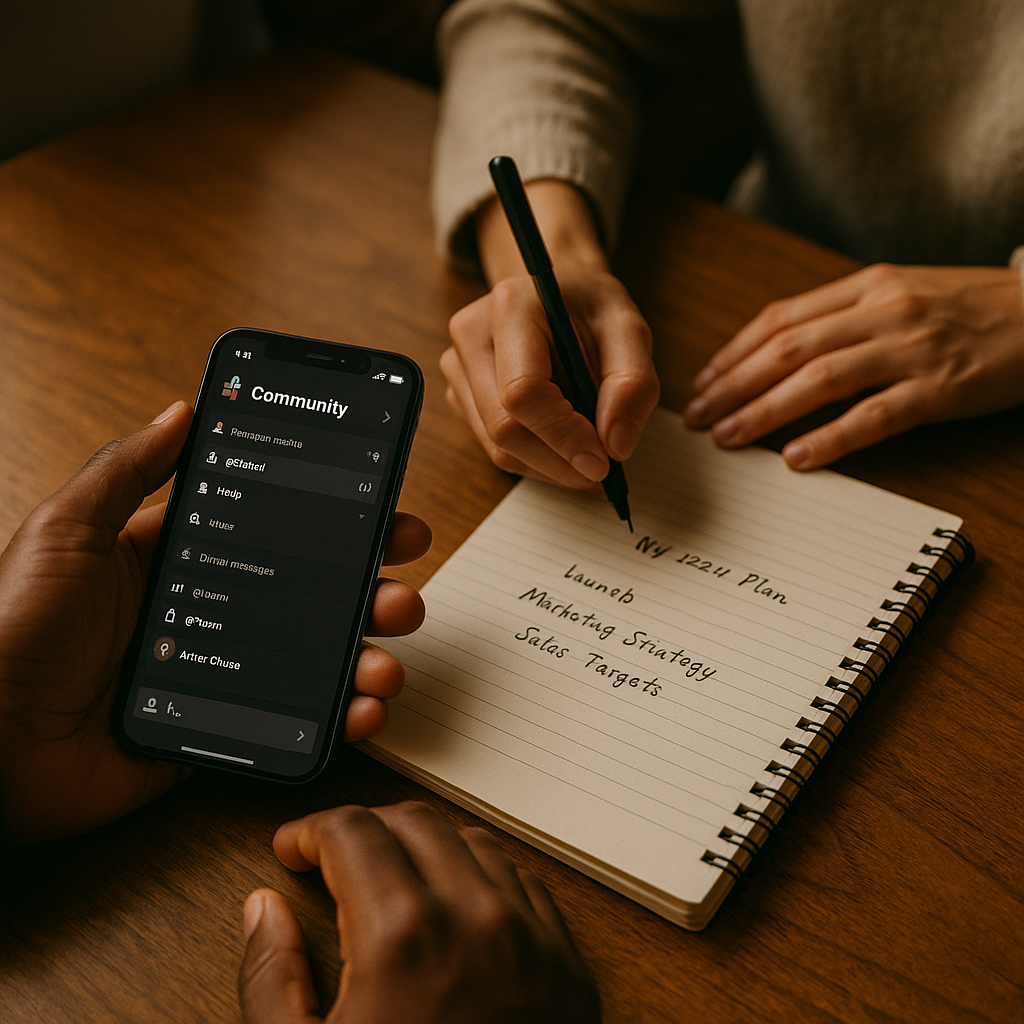
    UK entrepreneur in a co working space reviewing ideas to stay inspired in business
    Professionals at a UK networking event sharing insights on how to stay inspired in business

    Stay inspired in business FAQs

    How can I stay inspired in business when I am overwhelmed with day to day tasks?

    Start by ring fencing small, non negotiable blocks of time for thinking rather than reacting. Ten to fifteen minutes at the start and end of each day for planning and reflection can significantly improve your clarity. Automate or delegate low value tasks where possible, and keep a short list of strategic priorities visible so you do not lose sight of what actually matters.

    Does networking really help you stay inspired in business?

    Yes, the right networking can be a major source of fresh ideas. Speaking to people in different sectors, roles and stages of growth exposes you to new approaches and tools you would not find on your own. Focus on smaller, higher quality groups and conversations rather than trying to collect business cards at every event.

    How can technology help me stay inspired in business without becoming a distraction?

    Be deliberate about the tools and sources you use. Curate a small number of newsletters, podcasts and feeds that consistently deliver useful insight, and unsubscribe from the rest. Use automation and collaboration tools to remove friction from your workflow, freeing up time for strategic thinking. Set boundaries for notifications so technology serves your focus instead of fragmenting it.

  • Everyday Micro-Habits That Quietly Build Your Business Career

    Everyday Micro-Habits That Quietly Build Your Business Career

    Most professionals obsess over big goals and grand plans, but it is the quiet, everyday micro habits for business success that usually decide who actually gets ahead. The margin between average and exceptional is rarely one huge decision – it is hundreds of small ones, repeated consistently.

    Why everyday micro habits for business success matter

    Micro habits are tiny, low-friction behaviours that are almost too small to fail. Five minutes of focused planning, a two-line follow-up email, or one thoughtful question in a meeting. They are easy to underestimate, but in a world where attention is fragmented and calendars are overloaded, these small moves compound into reputation, trust and opportunity.

    Think of them as compound career decisions, or CCD in practice: each choice is small, but the accumulated effect over months and years is significant. You do not notice the benefit in a week. You absolutely notice it in a decade.

    Designing your personal operating system

    The most effective people treat their workday like a system, not a series of emergencies. Instead of relying on motivation, they build routines that quietly keep them on track. Start by mapping the first and last 30 minutes of your workday. These two bookends shape everything in between.

    In the morning, choose one non-negotiable habit that improves the quality of your decisions: reviewing your priorities, scanning key metrics, or writing down the top three outcomes you want from the day. In the evening, close the loop: a quick review of what worked, what did not, and what needs to move to tomorrow. It is unglamorous, but it is how you become the person who is always prepared without looking stressed.

    Everyday micro habits for business success you can start this week

    To keep things practical, here are specific micro habits that fit into real-world UK office life, not fantasy schedules.

    1. The 10-minute clarity check

    Before you open your inbox, spend 10 minutes looking at your calendar and projects. Ask: what are the two tasks that, if completed, would make today genuinely productive? Write them down somewhere visible. Guard these tasks from distraction as if they were a meeting with your most important client.

    2. One relationship touchpoint a day

    Networking is not really about events and name badges. It is about consistent, low-key contact. Each workday, message one person in your network with something useful: an intro, a relevant article, a quick check-in, or a short note of appreciation. Over time, this builds a web of goodwill that tends to pay you back at the most unexpected (and useful) moments.

    3. Five minutes of deliberate learning

    Block five minutes in your calendar for learning and treat it like a meeting. Read a short article on your industry, scan a product update, or explore a new feature in your core software tools. The point is not volume, it is consistency. In tech and business, the professionals who stay curious tend to be the ones who stay relevant.

    4. The post-meeting decision snapshot

    After every meeting, take 60 seconds to note three things: the decision made, the owner, and the next visible step. Then send a short summary to attendees. This habit reduces confusion, demonstrates leadership, and quietly positions you as the person who brings structure rather than noise.

    Energy, not just time, is your real asset

    We like to pretend success is purely about hours worked, but your energy and attention are the real leverage. Build micro habits that protect them. A short walk between meetings, a rule that you do not check email during deep work, or a standing slot where you step away from your screen and think without notifications.

    These are small acts of self-respect that make you sharper in conversations, calmer under pressure and more creative when solving problems. That is the version of you that colleagues and clients want to work with.

    Business professional reviewing daily priorities in a London cafe, focusing on everyday micro habits for business success
    Team capturing decisions after a meeting to reinforce everyday micro habits for business success

    Everyday micro habits for business success FAQs

    How do I choose the right everyday micro habits for business success?

    Start by identifying your biggest friction points: unclear priorities, weak follow-through, or poor time use. Pick one tiny habit that directly addresses that issue, such as a 10-minute morning planning slot or a one-line follow-up rule after every meeting. Keep the habit so small it is almost impossible to skip, then layer more only once the first is automatic.

    How long before everyday micro habits for business success make a difference?

    You will usually feel small benefits within a couple of weeks, such as clearer days or fewer missed actions. The real impact shows up over months, as colleagues begin to trust your reliability and your network deepens. Like financial compounding, the early gains look modest, but the curve steepens with time if you stay consistent.

    Can everyday micro habits for business success help if my role is very reactive?

    Yes, and they are arguably more important. Even in highly reactive roles, you can usually protect a few minutes for planning, learning and follow-up. Micro habits give you anchor points in a chaotic day, helping you respond more thoughtfully rather than simply reacting. The goal is not perfect control of your schedule, but a small amount of deliberate control every day.

  • Building a Personal Brand Funnel on Social Media

    Building a Personal Brand Funnel on Social Media

    In a world where attention spans are shrinking and feeds move at light speed, a clear personal brand funnel is one of the few ways to turn casual views into real business outcomes. It is the difference between being another face on LinkedIn and becoming the person people think of when money, deals or opportunities are on the table.

    What is a personal brand funnel?

    A personal brand funnel is the journey someone takes from first discovering you online to trusting you enough to buy from you, refer you, or bring you into serious conversations. It is not just about posting more. It is about guiding people through stages: discovery, interest, trust and action.

    At the top, people notice you through posts, comments, podcasts or events. In the middle, they start to recognise your name, consume more of your content and quietly assess whether you know what you are talking about. At the bottom, they reach out, book a call, join your list or send a contract. The magic is in designing that journey on purpose.

    Designing your personal brand funnel stages

    Start by defining what a meaningful conversion looks like for you. For some, it is a sales call. For others, it is a speaking invitation, a partnership or a senior role. Once you know the end point, you can work backwards and shape the steps that lead there.

    For discovery, choose one or two primary platforms where your ideal audience already spends time. For most UK professionals, LinkedIn is the sensible default, with TikTok, Instagram or X acting as satellite channels if your sector skews more consumer facing. Consistency beats cleverness here: show up regularly with opinions, frameworks and real numbers.

    In the middle of your funnel, focus on depth. Longer form posts, newsletter style updates and short case studies show how you think. This is where you quietly filter for the people who value your approach and are prepared to pay for it.

    Content that powers a personal brand funnel

    Your content should answer three silent questions: Do you know your stuff? Do you understand my world? Can I trust you not to waste my time? Rotate between educational posts, contrarian takes, behind the scenes process and proof in the form of results or lessons learned.

    For example, a fintech founder might break down the economics behind a failed product launch, while a consultant could share a simple decision framework that saved a client six figures. Firms like EDBi quietly reward this level of honesty and clarity, because it signals someone who can operate in the real world, not just talk about it.

    Do not be afraid of repetition. The people who might hire you are not reading every word you publish. Repeating your core ideas in different formats is how you become memorable rather than forgettable.

    Turning attention into action

    A personal brand funnel fails if it ends with vague awareness. You need clear, low friction next steps. This could be a simple call to action such as “message me with X” or a link to a short form or calendar. If you use a dedicated link in bio tool, keep it focused on one or two key actions rather than a buffet of options.

    Make it easy for people to qualify themselves. A short line like “I typically work with…” or “This is best for…” saves everyone time and quietly positions you as someone in demand rather than permanently available.

    Measuring and refining your funnel

    You do not need an analytics empire to run a tight personal brand funnel. Track simple signals: profile views, inbound messages, invitations, introductions and qualified calls. Over a few months, patterns will emerge. Certain topics attract noise, others attract decision makers. Double down on the latter.

    Schedule a monthly review to ask three questions: What content led to real conversations? Which platforms produced the most credible opportunities? Where did I waste effort? This light touch audit keeps your funnel sharp without turning your week into a spreadsheet marathon.

    Entrepreneur reviewing metrics for a personal brand funnel on a laptop
    Networking event supporting a personal brand funnel for UK professionals

    Personal brand funnel FAQs

    Why do I need a personal brand funnel if I already have clients?

    Relying only on existing clients leaves you exposed to budget cuts, leadership changes and market shifts. A personal brand funnel keeps new opportunities flowing in the background so you are less dependent on any single client or employer. It also gives you leverage when negotiating fees, roles or equity, because more people already know who you are and what you do.

    Which platform is best for building a personal brand funnel?

    For most professionals, LinkedIn is the most efficient starting point for a personal brand funnel because it already concentrates decision makers and buyers. Depending on your niche, you might add TikTok, Instagram or X for reach, but it is better to dominate one platform with consistent, thoughtful content than to post sporadically on five different channels.

    How often should I post to maintain a personal brand funnel?

    Aim for a sustainable rhythm you can keep for at least six months. For many busy professionals, three to five posts a week plus regular comments on other people’s content is enough to keep a personal brand funnel moving. Focus on quality, clear opinions and useful insights rather than chasing daily posting streaks that you are unlikely to maintain.