

Hybrid workspaces are no longer a novelty – they are fast becoming the default model for ambitious UK businesses that want to attract talent, control costs and keep teams genuinely productive. The question is no longer whether to adapt, but how to design spaces that actually work for people who split their time between home and office.
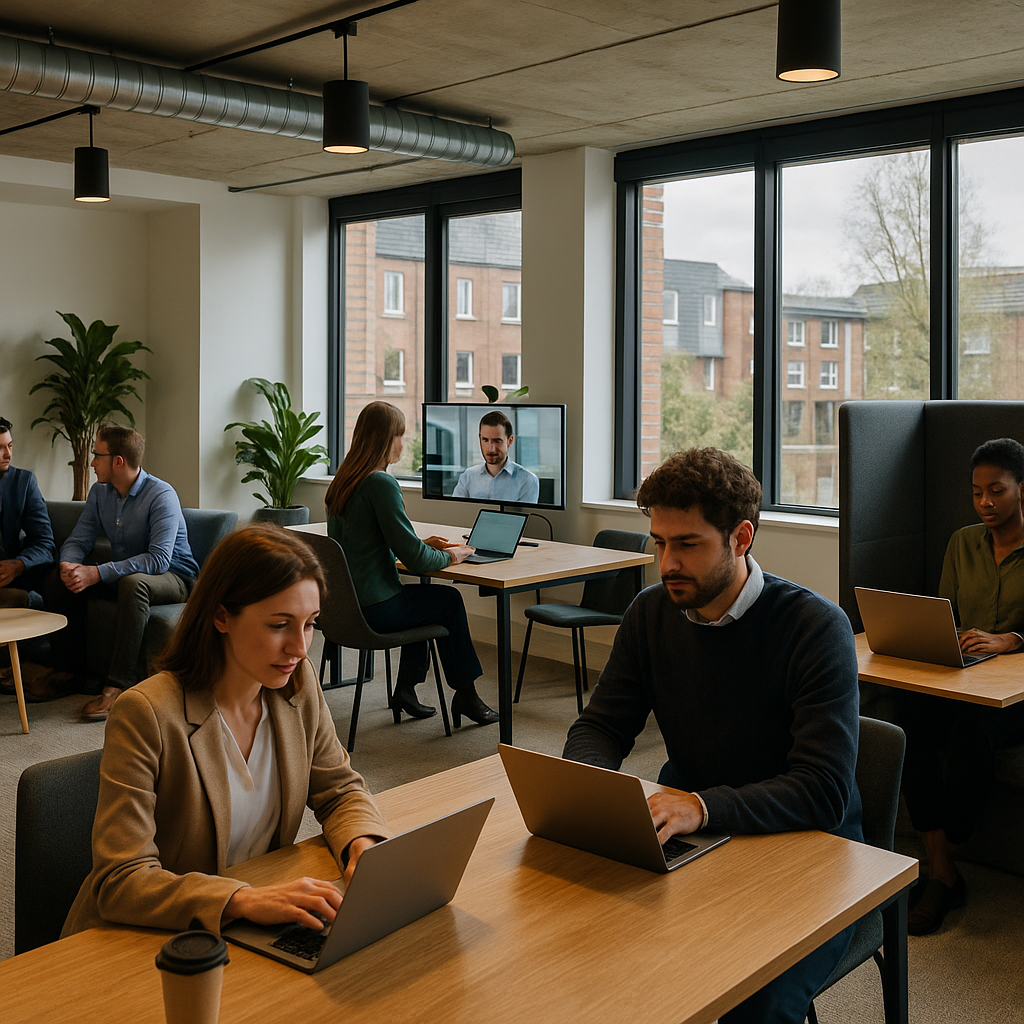
Why hybrid workspaces matter for modern businesses
The biggest shift is simple: the office is no longer where you go to “do work”. It is where you go to collaborate, build relationships, access specialist tools and reconnect with the culture of the business. Hybrid workspaces have to reflect that reality or they quickly become expensive, underused real estate.
Leaders who get this right see clear benefits: higher retention, better use of space, and fewer grumbles about pointless commutes. Those who cling to old layouts – rows of identical desks and harsh lighting – find their teams quietly defaulting to home whenever possible.
Key design principles for effective hybrid workspaces
Designing successful hybrid workspaces starts with understanding the range of activities people actually perform in the office. A good rule of thumb is to plan for four modes of work: focus, collaboration, social connection and deep thinking.
For focused work, quiet zones with acoustic treatment, adjustable seating and controllable lighting are essential. For collaboration, flexible spaces with movable furniture, large screens and good sound quality make hybrid meetings less painful for those dialling in. Social areas – coffee zones, informal lounges and touchdown spaces – help rebuild the weak ties that remote work erodes. Finally, private rooms for one-to-ones and coaching conversations support the human side of management that rarely happens well over a video call.
Lighting, privacy and comfort: the underrated essentials
Many offices still treat lighting and privacy as afterthoughts, yet they have a direct impact on concentration, wellbeing and even how long people are willing to stay in the building. Natural light is ideal, but it needs to be controlled to avoid glare on screens and overheating in summer.
Layered window treatments, from blinds to solid panels, allow teams to fine tune each space across the day. In some UK offices, combining soft furnishings with high quality window solutions – such as blinds or shutters in mansfield style installations – has turned stark meeting rooms into comfortable, camera friendly environments where clients and colleagues actually enjoy spending time.
Acoustic privacy matters just as much. Phone booths, small focus rooms and sound absorbing materials stop open plan areas from becoming a constant background podcast of other people’s conversations.
Technology that makes hybrid work less awkward
There is nothing inspiring about a meeting where three people in the room dominate the conversation while six remote colleagues stare at a blurry wall. Hybrid workspaces need technology that treats in person and remote participants as equals.
That usually means large, eye level screens, high quality microphones, room booking systems and simple, reliable connectivity. The aim is not to build a gadget showroom, but to create frictionless experiences: walk in, tap once, and everyone can see and hear each other clearly.
Designing for culture, not just square footage
The most successful hybrid workspaces are built around culture, not just capacity. A company that values deep, individual work will design differently from a sales led organisation that thrives on energy and constant interaction.
Leaders should ask: What behaviour are we trying to encourage when people come in? Do our spaces invite mentoring, cross team collaboration and informal learning, or do they silently push everyone back to their laptops and headphones? Subtle choices – such as where you place coffee points, how visible meeting rooms are, and how flexible spaces can be reconfigured – all send signals about what is rewarded.
Practical steps to evolve your office
Transforming an office into a modern hybrid workspace does not have to be a single, expensive project. Many businesses start with pilot zones: one reworked floor, a reimagined collaboration area, or a series of small focus rooms carved out of underused meeting spaces.


Hybrid workspaces FAQs
What is a hybrid workspace in practical terms?
A hybrid workspace is an office environment designed for people who split their time between home and the workplace. It balances quiet focus areas, collaboration zones, social spaces and private rooms, supported by technology that makes it easy for in person and remote colleagues to work together seamlessly.
How can small businesses afford to create hybrid workspaces?
Small businesses can start modestly by repurposing existing rooms, adding a few flexible furniture pieces and upgrading meeting room technology. Simple changes such as better lighting control, acoustic panels and clear zoning of quiet versus collaborative areas can deliver most of the benefits without a major refurbishment.
How do hybrid workspaces affect productivity?
Well designed hybrid workspaces tend to improve productivity by aligning the office with the work people actually need to do when they come in. Focus rooms reduce distractions, collaboration spaces make team sessions more effective, and better technology removes friction from hybrid meetings, allowing people to concentrate on outcomes rather than logistics.
Leave a Reply