Category: Business

  • The Rise of Embedded Finance: What It Means for Small and Medium Businesses

    The Rise of Embedded Finance: What It Means for Small and Medium Businesses

    Not long ago, if a small business needed a loan, the process involved a trip to the bank, a stack of paperwork, and a wait measured in weeks rather than days. If it needed to accept payments, it signed up with a separate merchant services provider. Payroll, insurance, invoicing, all different suppliers, different logins, different contracts. Embedded finance is quietly dismantling that fragmentation, and for UK SMEs, the implications are significant.

    At its core, embedded finance is the integration of financial services, banking, lending, payments, insurance, directly into non-financial platforms. The accountancy software you already use to raise invoices could, in theory, also offer you a working capital loan based on your live revenue data. The e-commerce platform hosting your online shop might offer instant checkout finance to your customers without them ever leaving your site. The software is no longer just a tool; it becomes the financial institution itself, or at least a credible front for one.

    Small business owner reviewing embedded finance for small businesses on a laptop in a bright UK office
    Small business owner reviewing embedded finance for small businesses on a laptop in a bright UK office

    How Embedded Finance Actually Works

    The machinery behind this sits largely in open banking and API connectivity. Since the Financial Conduct Authority mandated open banking in the UK following the EU’s PSD2 directive, banks have been required to share customer data (with consent) via standardised interfaces. That opened the door for software companies to plug financial products directly into their platforms using partner banks or e-money institutions operating in the background.

    Take a practical example. Xero, the cloud accountancy platform used by hundreds of thousands of UK small businesses, has integrated lending features that assess creditworthiness in real time using a company’s own financial data held within the software. The business owner does not need to print bank statements or fill in a separate application form. The platform already has the information. Approval decisions can arrive within hours.

    Shopify’s capital product works along similar lines for e-commerce merchants. Square offers embedded banking and payroll tools for its point-of-sale customers. The pattern is consistent: a platform earns your trust with its primary product, then layers financial services on top using the transactional or accounting data it already holds. According to research cited by the Financial Conduct Authority, open banking usage in the UK reached over 10 million active users by early 2025, which gives you a sense of how quickly the infrastructure has matured.

    The Genuine Opportunities for SMEs

    Embedded finance for small businesses offers something the traditional banking system has consistently failed to deliver at scale: speed and contextual relevance. When a lending decision is based on live cashflow data rather than historical credit scores and audited accounts, businesses that are genuinely healthy but asset-light stand a much better chance of accessing capital quickly.

    Close-up of hands using business software platform with embedded finance for small businesses features
    Close-up of hands using business software platform with embedded finance for small businesses features

    For product-based businesses in particular, inventory financing through embedded platforms can be transformative. Rather than waiting for a quarterly review with a business manager, a retailer could receive an automated offer of short-term stock finance at exactly the moment the platform detects an upcoming seasonal demand spike in their sales data. That kind of contextual timing is something no traditional bank branch can replicate.

    There are also meaningful benefits on the customer-facing side. Buy Now Pay Later integrations built directly into checkout flows have become standard for many online retailers, enabling smaller merchants to offer payment flexibility that previously required separate finance licences or third-party agreements. That levels the playing field against larger competitors who have had those arrangements in place for years.

    For service businesses, embedded invoicing finance, sometimes called embedded factoring, means outstanding invoices can be converted to cash almost immediately through the same platform used to issue them. The friction of managing a separate invoice discounting facility disappears entirely.

    What Are the Real Risks SMEs Need to Understand?

    Convenience has a way of obscuring cost, and embedded finance is not immune to that dynamic. Embedded lending products can carry interest rates and fees that are less transparent than a traditional business loan agreement. When a financing offer appears inside a platform you already trust, there is an implicit endorsement that may not reflect competitive market pricing. The prudent approach is to treat any embedded credit offer exactly as you would a standalone loan: compare rates, read the full terms, and calculate the effective APR before accepting.

    Data is the other conversation worth having. Embedded finance products work precisely because platforms have access to your financial data. That is the trade-off. When you grant a software provider the right to use your transactional data for credit assessment, you are sharing information that was previously confined to your bank. UK businesses should check the data processing terms carefully and confirm how their information is used, stored, and potentially shared with third-party lenders operating behind the platform’s interface.

    There is also a concentration risk that deserves attention. If your banking, lending, invoicing, and payroll all sit within a single platform ecosystem, a service outage, a pricing change, or a platform closure creates a level of operational exposure that spreading across separate providers would not. It is the same logic that applies to any critical supplier dependency.

    What This Means for Business Strategy Going Forward

    Embedded finance for small businesses is not a fringe development. Several major UK-focused platforms, including Tide, Starling Bank’s business tools, and the Xero partner ecosystem, are actively expanding their embedded product ranges. The market is moving quickly enough that SMEs who engage with these tools thoughtfully now will have a genuine operational advantage over those who discover them reactively.

    The practical starting point is an audit of the software platforms your business already uses and a review of what financial products each one currently offers or is likely to offer. If you use cloud accountancy software, check whether it provides access to lending or cashflow forecasting tools. If you process payments through a platform, investigate whether embedded insurance or working capital products are available to your account tier.

    The shift also has implications for how you think about financial relationships more broadly. The traditional model of having one banking relationship for everything is becoming less relevant. A business might access its current account through a challenger bank, take short-term inventory finance through its e-commerce platform, and use an embedded insurance product tied to its logistics software. Each decision should still be made on commercial merit, but the options have expanded considerably.

    Embedded finance represents a structural change in how financial services reach businesses, not a passing trend. The question for most SMEs is not whether these tools will affect how they operate, but how deliberately they choose to engage with them.

    Frequently Asked Questions

    What is embedded finance for small businesses?

    Embedded finance refers to financial products such as loans, payments, insurance, or banking being integrated directly into non-financial software platforms. For small businesses, this means accessing credit or payment tools within the accountancy, e-commerce, or operations software they already use, without needing a separate bank or provider.

    Is embedded finance regulated in the UK?

    Yes. Embedded financial products must still comply with UK financial regulation. The underlying financial services are typically provided by FCA-authorised firms operating behind the platform’s interface. Businesses should verify that any embedded lender or payment provider is properly authorised on the FCA Register before using their products.

    How does embedded lending differ from a traditional business loan?

    Embedded lending uses real-time data from the platform you already use, such as live revenue or cashflow, to assess creditworthiness quickly. Traditional business loans typically require historical accounts, credit checks, and a manual application process. Embedded loans are faster to access but may carry different interest structures, so comparing the effective APR is essential.

    What are the risks of using embedded finance products?

    The main risks include less transparent pricing compared to standalone financial products, data sharing with third-party lenders embedded within the platform, and operational dependency on a single provider. Businesses should read the full terms of any embedded credit offer and ensure they understand what data is being shared and with whom.

    Which UK platforms currently offer embedded finance features?

    Several platforms actively serving UK SMEs have embedded finance features, including Xero (lending integrations), Tide (business banking with credit products), Starling Bank’s business tools, and various e-commerce platforms offering point-of-sale credit. The range of products available varies by account type and business profile.


  • Passive Income Streams for Business Owners: What Actually Works in 2026

    Passive Income Streams for Business Owners: What Actually Works in 2026

    The phrase “passive income” has been doing the rounds for years, often wrapped in motivational nonsense about sipping cocktails while money rolls in. The reality is considerably more grounded. Passive income streams for business owners are real, achievable, and genuinely worth building, but they all require either significant upfront capital, time, or existing business infrastructure. Nothing here is magic. What follows is an honest breakdown of what actually produces results in 2026.

    Business owner reviewing passive income streams on a laptop in a modern London office
    Business owner reviewing passive income streams on a laptop in a modern London office

    Why Business Owners Are Better Positioned Than Most

    If you already run a business, you have structural advantages that most people lack. You understand systems, you likely have an existing customer base, and you have professional credibility in at least one area. These aren’t small things. Many passive income models rely on trust and audience, both of which take years to build from scratch. For a business owner, those assets often already exist. The task is deploying them sensibly.

    According to ONS data on UK sector accounts, income from non-employment sources has grown steadily amongst business-owning households over the past decade. That trend hasn’t reversed. If anything, the tooling available in 2026 makes diversified income more accessible than it has ever been.

    Digital Products: Front-Loaded Effort, Long-Tail Returns

    Selling digital products is probably the most talked-about passive income model, and for good reason. Create something once, sell it repeatedly, with no inventory, no logistics, and no fulfilment headache. The formats that work consistently include templates, toolkits, online courses, and written guides aimed at a professional niche.

    The key word is niche. A generic productivity course will struggle. A financial modelling template built specifically for UK-based SaaS founders? That has a defined audience and a genuine use case. Platforms like Gumroad, Teachable, and Kajabi all support UK-based sellers with GBP pricing. Distribution through your existing email list or LinkedIn following keeps your customer acquisition costs low.

    The honest caveat: most digital products require ongoing promotion. The “set and forget” version of this model doesn’t really exist. What you get is a product that earns without additional production time, not one that markets itself indefinitely.

    Licensing Your Expertise or Intellectual Property

    If your business has developed proprietary processes, frameworks, software, or creative assets, licensing is worth examining seriously. This is one of the more underused passive income streams for business owners in the UK, perhaps because it requires proper legal structuring, but the returns can be substantial and genuinely hands-off once agreements are in place.

    Licensing works particularly well in sectors like software, professional training, photography, and branded methodology. A management consultancy that has developed a proprietary assessment framework, for instance, could licence that to other consultancies or to corporate HR departments, generating recurring royalty income. The SRA and relevant professional bodies may need to be considered depending on your sector, but a commercial solicitor can structure a clean agreement that protects your IP whilst generating income.

    Smartphone showing dividend investment dashboard as part of passive income streams for business owners
    Smartphone showing dividend investment dashboard as part of passive income streams for business owners

    Dividend Investing: Boring, Slow, and Extremely Effective

    Business owners who generate retained profits have a natural path into dividend investing. Holding dividend-paying equities inside a company pension, a Stocks and Shares ISA, or directly via a trading account produces income that compounds quietly in the background. The FTSE 100 includes a strong cohort of historically reliable dividend payers: utilities, financial institutions, consumer staples. These are not exciting businesses. That is rather the point.

    The tax efficiency angle matters here. Dividends received within an ISA are free of both income tax and capital gains tax. The annual ISA allowance in 2026 remains £20,000 per individual. Business owners who pay themselves through dividends already understand the mechanics; extending that thinking to investment income is a logical step.

    Realistic expectations are important. A 4% dividend yield on a £100,000 portfolio produces £4,000 per year. That is supplementary income, not a replacement salary. However, compounded over a decade with reinvested dividends, the numbers become genuinely meaningful.

    Automated Service Models and White-Label Revenue

    This one is specific to business owners rather than individuals. If you run a service business, there are usually components of your offering that can be productised, automated, or white-labelled to generate income without your direct involvement.

    A digital agency that builds a proprietary reporting dashboard might white-label that tool to other agencies. A bookkeeping firm might build a self-service client onboarding flow that handles initial scoping without human input, reducing delivery costs whilst maintaining revenue. A marketing consultant might build a membership community with a monthly subscription that delivers value through recorded content and templated resources rather than live time.

    None of these models are purely passive from day one. They require thoughtful system design and consistent quality. But they all share one important characteristic: revenue that is no longer directly proportional to your working hours. That decoupling is what passive income actually means in a business context.

    Property Income: Still Relevant, But Context-Dependent

    Buy-to-let has had a difficult few years in the UK. Changes to mortgage interest relief, stamp duty surcharges on additional properties, and tighter EPC requirements have compressed margins for many landlords. That said, commercial property, rent from equipment or storage, and property held within a SIPP (Self-Invested Personal Pension) still represent viable income streams depending on your capital position and risk tolerance.

    The simpler entry point for business owners is commercial property investment through REITs (Real Estate Investment Trusts), which trade on the London Stock Exchange. These offer property income exposure without the management overhead of direct ownership, and they can be held within an ISA for tax efficiency.

    Choosing the Right Model for Your Situation

    Passive income streams for business owners work best when they align with assets you already possess: expertise, IP, capital, or an audience. Spreading yourself across five different models simultaneously is a reliable way to do none of them well. The more effective approach is to identify one model that fits your current position, build it properly, and layer in a second once the first is genuinely running.

    The businesses that sustain multiple income streams over the long term are invariably the ones that treated each stream as a serious project rather than a side experiment. The “passive” part comes later. The work comes first.

    Frequently Asked Questions

    What are the most realistic passive income streams for business owners in the UK?

    The most realistic options include selling digital products (templates, courses, guides), licensing intellectual property, dividend investing via ISAs or company pensions, and automating parts of an existing service business. Each requires upfront investment of time or capital but can generate income with reduced ongoing effort.

    How much money do I need to start generating passive income as a business owner?

    It varies significantly by model. Digital products can be built for very little upfront cost if you have existing expertise. Dividend investing becomes meaningful at £50,000 or more in invested capital. Licensing arrangements depend on having existing IP or systems worth licencing. The lowest barrier to entry is typically digital products or productised services.

    Is passive income taxable in the UK?

    Yes, most passive income is taxable. Dividend income above the annual £500 dividend allowance is subject to dividend tax. Rental income is subject to income tax. Capital gains from investments outside an ISA are subject to CGT. Holding income-generating assets inside a Stocks and Shares ISA is one of the most tax-efficient approaches available to UK residents.

    How long does it take for passive income to become significant?

    Most passive income models take 12 to 36 months before they generate meaningful, reliable income. Digital products need an audience and promotional infrastructure. Dividend portfolios grow through reinvestment over years. Automated service models require system-building before they reduce your direct labour. Treating passive income as a long-term project rather than a quick fix produces much better results.

    Can I build passive income while still running my main business?

    Yes, and this is the most common approach. Many business owners start by productising knowledge or assets they already have, which requires less additional time than building something from scratch. The key is focusing on one income stream at a time to avoid spreading resources too thinly across multiple unfinished projects.

  • SaaS Subscription Fatigue: How to Audit and Cut Your Business Software Costs

    SaaS Subscription Fatigue: How to Audit and Cut Your Business Software Costs

    Most businesses didn’t set out to spend a small fortune on software every month. It tends to happen gradually. A project management tool here, a communication platform there, a niche analytics add-on that someone on the team swore was essential. Before long, you’re staring at a bank statement with fifteen recurring line items, and at least a third of them are doing roughly the same job. This is SaaS subscription fatigue, and it is quietly bleeding UK businesses dry.

    According to business analysts at the BBC, operational cost control has become one of the top priorities for SMEs across the UK in 2026, with software overhead consistently flagged as an area where spending has outpaced genuine value. A proper SaaS audit is the most direct way to address it.

    Business professional conducting a SaaS audit on a laptop in a modern London office
    Business professional conducting a SaaS audit on a laptop in a modern London office

    What Is a SaaS Audit and Why Does It Matter?

    A SaaS audit is a structured review of every software subscription your business is paying for, mapping each tool against actual usage, business function, and cost. It sounds straightforward. In practice, most businesses have no single source of truth for what they’re subscribed to, which is partly how the problem compounds over time.

    Subscriptions get set up by individuals, teams, or departments. Some are billed to personal credit cards and expensed informally. Others are annual commitments that auto-renew without anyone noticing. The goal of an audit is to surface all of it, assign ownership, and make deliberate decisions rather than passive ones.

    How to Conduct a SaaS Audit Step by Step

    Step 1: Build a Complete Software Inventory

    Start by pulling bank statements, credit card records, and invoices from the last three months. Look for recurring charges from any software vendor. Cross-reference this with your accounting software if you use something like Xero or QuickBooks Online. Then speak to department heads. Finance will know their tools, marketing will know theirs. The IT or operations lead should have visibility over infrastructure licences.

    Tools like Cledara or Spendesk, both popular with UK finance teams, can help automate subscription tracking if you want something ongoing rather than a one-off exercise. For now, a spreadsheet works perfectly well.

    Step 2: Categorise by Function

    Once you have a full list, group tools by what they do. You’re looking for overlap. Common culprits include:

    • Multiple communication platforms (Teams, Slack, Zoom, Google Meet all running simultaneously)
    • Duplicate project management tools across departments (Asana in one team, Monday.com in another)
    • Separate CRM systems that haven’t been consolidated post-merger or growth
    • Storage and document tools with significant feature overlap (Google Workspace and Microsoft 365 both active)

    Each of these categories is worth a focused conversation about standardisation.

    Close-up of SaaS audit dashboard showing subscription usage data on a business monitor
    Close-up of SaaS audit dashboard showing subscription usage data on a business monitor

    Step 3: Assess Actual Usage

    Cost alone doesn’t tell the full story. A tool that costs £200 per month and is used by the entire company daily is delivering value. One that costs £80 per month and has two active logins from twelve licensed seats is not.

    Most SaaS platforms now offer usage dashboards in their admin panels. Pull last login data, active user counts, and feature utilisation where available. For tools that don’t surface this natively, simply ask the team honestly: how often are you actually using this?

    Apply a simple scoring framework. Rate each tool on three dimensions: business criticality, uniqueness of function, and actual usage frequency. Anything that scores low across all three is a strong candidate for cancellation.

    Step 4: Identify Redundant Tools and Make Cuts

    With your usage data in hand, you’re now in a position to act. This is where most audits stall. Nobody wants to be the person who cancels the tool that turns out to be quietly essential to one workflow nobody documented. Avoid this by giving a two-week notice period internally before cancelling anything, inviting anyone who relies on it to speak up.

    Prioritise cutting tools that duplicate functionality already covered by your core stack. If you’re paying for Microsoft 365, you likely don’t need a separate video conferencing licence, a standalone document signing tool, or an additional forms platform. Microsoft’s native features cover all three adequately for most teams.

    For tools that serve a genuine function but at an inflated price point, consider downgrading rather than cancelling. Most SaaS vendors have lower tiers that cover 80% of what most teams actually need. It is worth a conversation with your account manager, particularly for annual contracts approaching renewal.

    Negotiating Better Deals Before Renewal

    Renewal periods are your leverage point. SaaS vendors know that switching costs are real, but they also know a churned customer pays nothing. If you’ve identified a tool you want to keep but the pricing feels off, reach out four to six weeks before renewal. Express that you’re reviewing the stack, mention that you’ve identified alternative options, and ask what they can offer.

    This works more often than people expect. Discounts of 15 to 25% are not unusual for businesses willing to commit to an annual contract or a slightly expanded licence count. If you’re a smaller business, vendor consolidation is another angle: switching entirely to a platform that bundles several functions can meaningfully reduce total spend.

    Building Oversight Into Your Business Going Forward

    The real value of a SaaS audit isn’t just the one-off saving. It’s building the discipline to prevent the problem recurring. A few practical measures help significantly:

    • Require sign-off from a finance or operations lead before any new software subscription above £30 per month is activated
    • Set calendar reminders 45 days before every annual renewal so you have time to review and negotiate
    • Assign clear ownership to each tool so there’s always one person accountable for its value
    • Run a lightweight audit quarterly rather than a comprehensive one annually

    This kind of operational rigour extends to other business expenses too. One conversation I had recently with a property management firm reminded me that even overlooked recurring services, from regular maintenance contracts to routine services like wheelie bin cleaning, benefit from periodic review to ensure they’re still appropriately priced and actively delivering value.

    What Kind of Savings Can You Realistically Expect?

    The numbers vary by business size and how chaotic things have become. For a team of 20 to 50 people, it’s not unusual to find £800 to £2,000 per month in recoverable spend after a thorough SaaS audit. Larger organisations have found far more. A 2025 report from Vertice, a UK-based SaaS procurement platform, found that the average British SME was paying for software used by fewer than half the employees licensed to access it.

    Even modest cuts compound over a year. Trimming £600 per month from your software stack is £7,200 annually, freed up for headcount, marketing, or simply stronger margins. That’s not trivial for a growing business watching every overhead line.

    The Bottom Line

    A SaaS audit isn’t a one-afternoon job for a 50-person business, but it’s not a six-month project either. Approached methodically, most businesses can complete a meaningful review within two to three weeks and see genuine cost reductions within the same billing cycle. The tools your business runs on should be working for you. If you haven’t looked closely at your subscriptions in the last twelve months, there’s a reasonable chance some of them aren’t.

    Frequently Asked Questions

    How often should a business conduct a SaaS audit?

    A comprehensive SaaS audit is worth running annually at minimum, with a lighter-touch review each quarter to catch new subscriptions before they become habitual overhead. Many UK businesses find that aligning the full audit with their financial year-end works well for budgeting purposes.

    What tools can help me track SaaS subscriptions automatically?

    Platforms like Cledara, Spendesk, and Paddle are popular with UK businesses for ongoing SaaS spend visibility. They connect to your payment methods and flag recurring charges, making it easier to maintain a live inventory without relying on manual spreadsheet reviews.

    How do I identify which software tools are actually being used?

    Most enterprise SaaS platforms provide admin dashboards showing last login dates and active user counts. For tools that don’t offer this, pull your billing records for per-seat licences versus actual headcount, and survey team leads directly. Usage data is usually more telling than anyone’s stated perception.

    Can you negotiate SaaS pricing mid-contract?

    It’s less common to renegotiate mid-contract, but not impossible, particularly if your usage has dropped significantly or you’re considering cancellation. The strongest position is at renewal, ideally four to six weeks before the contract expires, when you have time to credibly explore alternatives.

    What are the biggest hidden costs in business SaaS spending?

    Beyond subscription fees, the biggest hidden costs are redundant tools duplicating the same function across departments, underused licences at premium tier pricing, and auto-renewing annual contracts that no one reviews. Integrations and premium add-ons that were activated but never used consistently also add up quietly.

  • How Blockchain Is Being Used in B2B Contracts and Supply Chain Agreements

    How Blockchain Is Being Used in B2B Contracts and Supply Chain Agreements

    Blockchain has spent years being talked about more than it has been used. That is finally changing. In 2026, a growing number of UK businesses are moving beyond pilot programmes and actually deploying blockchain for B2B contracts in live commercial environments. The results are worth paying attention to: fewer payment disputes, faster settlement, and supply chains that can prove their integrity at every stage.

    This article cuts through the jargon and explains what is actually happening, why it matters for businesses of any size, and what you need to understand before deciding whether it is relevant to your own operation.

    Two UK business professionals reviewing blockchain for B2B contracts on a digital display in a London office
    Two UK business professionals reviewing blockchain for B2B contracts on a digital display in a London office

    What a Smart Contract Actually Is

    A smart contract is a piece of self-executing code stored on a blockchain. It works like a traditional contract in terms of defining the rules of an agreement, but instead of relying on both parties (and potentially lawyers) to enforce those terms, the code does it automatically when pre-agreed conditions are met.

    A simple example: a manufacturer and a retailer agree that payment will be released automatically when a delivery is confirmed at a specific warehouse. Once the delivery scan occurs and the data is written to the blockchain, the payment triggers without any human intervention. No invoice chasing. No dispute about whether the goods arrived. The ledger entry is permanent and visible to both parties.

    This is not science fiction. UK firms in sectors ranging from logistics and construction to financial services are already using smart contracts to govern routine commercial transactions. The UK government has published guidance on distributed ledger technology and its commercial applications, signalling that the regulatory environment is maturing alongside the technology.

    Why Disputes Are Becoming Less Common

    The majority of B2B disputes come down to ambiguity or selective memory. One party claims the goods were substandard; the other insists they were not. One party says payment terms were 30 days; the other says 60. When contracts live in email threads, PDF attachments, and shared drives, there is always room for disagreement about what was actually agreed and when.

    Blockchain removes that ambiguity almost entirely. Every version of a contract, every amendment, every confirmed action is timestamped and recorded on an immutable ledger. Neither party can alter the record retroactively. This single feature alone is persuading legal and procurement teams to take blockchain for B2B contracts seriously, because it dramatically reduces the circumstances in which a dispute can even take hold.

    For businesses that operate at volume, say a wholesaler processing thousands of supplier agreements per year, the cost reduction from fewer disputes can be substantial. Less time in arbitration, less legal spend, less management bandwidth consumed by chasing documentation.

    How Transparency Is Changing Supply Chain Management

    Supply chain transparency has been a pressure point for UK businesses since well before 2026. Consumers, regulators, and institutional buyers increasingly want to know where products come from, how they were made, and who handled them. Traditional supply chains are notoriously difficult to audit because the data sits in disconnected systems owned by different companies at different tiers.

    A shared blockchain ledger changes that architecture. Each participant in the supply chain, from raw material supplier through to the end distributor, writes their actions to the same shared record. The result is a traceable, auditable history of every product that cannot be falsified by any single party.

    The food industry is one of the clearest use cases. A UK supermarket group can trace a product back to the farm, the haulage contractor, and the processing facility, all from a single query. If there is a contamination event, the affected batch can be identified and recalled with precision rather than pulling entire product lines off shelves. Retailers like Marks and Spencer and Tesco have both explored or piloted supply chain traceability technology, with blockchain forming part of the infrastructure conversation at enterprise level.

    Close-up of hands working on a laptop illustrating blockchain for B2B contracts technology in use
    Close-up of hands working on a laptop illustrating blockchain for B2B contracts technology in use

    Speed and Efficiency in B2B Transactions

    Cross-border B2B payments have historically been slow and expensive. A transaction involving a UK supplier and a European buyer might pass through several correspondent banks, each adding time and fees. Settlement that should take hours can take days. Smart contracts paired with blockchain payment rails can compress this significantly.

    Beyond payments, the back-and-forth of negotiating, signing, storing, and retrieving contracts adds friction at every stage of a commercial relationship. Blockchain-native contract management platforms are beginning to replace this workflow. Both parties sign digitally, the contract is stored on-chain, and any conditional actions (payments, notifications, renewal triggers) fire automatically without manual intervention.

    For smaller UK businesses, the practical upshot is that you spend less time managing paperwork and more time doing the actual work. The administrative overhead that makes scaling painful gets lighter as more of your B2B agreements become automated and self-enforcing.

    Digital Infrastructure Considerations for UK Businesses

    Adopting blockchain-backed contract management does require some foundational digital infrastructure to be in place. This is worth acknowledging rather than glossing over. Your business needs reliable internet connectivity, staff who are comfortable with new technology platforms, and ideally a clear process for onboarding suppliers and clients onto whatever system you adopt.

    This is where the broader conversation about business technology becomes relevant. Whether a company is implementing a blockchain platform or simply ensuring its communications infrastructure is reliable, the underlying principle is the same: the quality of your digital stack determines how smoothly these systems operate. Tools like Mail Tester, a UK-based free email testing service specialising in deliverability checks and inbox diagnostics, are a good illustration of how technology businesses are building focused, internet-native utilities to solve specific problems in the business communications layer. Companies using mail-tester.co.uk rely on it to verify that their automated system notifications, contract alerts, and transactional emails are actually reaching recipients, which matters considerably when those emails are triggering smart contract workflows or confirming supply chain events. The internet, computers, and tech support infrastructure all need to work together seamlessly for blockchain-enabled processes to deliver their promised efficiency.

    The point is that blockchain does not operate in isolation. It sits on top of a digital ecosystem. Businesses that have already invested in that ecosystem, stable connectivity, well-configured email, integrated software systems, will find the transition to smart contract management considerably smoother.

    Is Blockchain for B2B Contracts Right for Your Business?

    Not every business needs to jump in immediately, and that is a reasonable position. If your B2B transaction volume is low and your existing supplier relationships are stable, the overhead of adopting a new platform may outweigh the benefits in the short term.

    Where it makes clear commercial sense is in businesses with high contract volume, complex multi-tier supply chains, recurring disputes over delivery or payment terms, or significant cross-border trading activity. If any of those describe your situation, the efficiency and transparency gains are worth a serious evaluation.

    The technology has matured enough that you are no longer running an experiment. Platforms exist today with decent user interfaces, UK-based support, and integration options for common accounting and ERP systems. Adoption is a project, not a gamble.

    For UK businesses prepared to look seriously at how blockchain for B2B contracts could streamline their commercial operations, the infrastructure is there. The question now is less about whether the technology works and more about whether your business processes are ready to take advantage of it. Start with your highest-friction contract type, whether that is supplier payment terms, service level agreements, or import documentation, and work backwards from there. That is usually where the clearest ROI sits.

    Separately, for any business running technology-driven workflows, including services like Mail Tester that underpin internet-based business communications with tech support and computer-reliant processes, ensuring that every layer of your digital infrastructure is reliable and tested is not optional. It is the foundation everything else runs on.

    Frequently Asked Questions

    What is blockchain for B2B contracts and how does it work?

    Blockchain for B2B contracts uses a shared, tamper-proof digital ledger to record and automatically enforce the terms of commercial agreements. When pre-agreed conditions are met, such as a confirmed delivery or a payment milestone, the contract executes without manual intervention, reducing delays and disputes between businesses.

    Are smart contracts legally binding in the UK?

    Smart contracts can be legally binding in the UK when they meet the standard requirements for a valid contract: offer, acceptance, consideration, and intention to create legal relations. The Law Commission has examined smart contracts and confirmed they can operate within existing English contract law, though complex agreements may still benefit from traditional legal drafting alongside the on-chain code.

    How much does it cost to implement blockchain contract management for a small UK business?

    Costs vary widely depending on the platform and level of customisation required. Some cloud-based blockchain contract platforms offer subscription tiers starting from a few hundred pounds per month for small teams. Bespoke enterprise deployments can run into tens of thousands of pounds. Many providers offer free trials or pilot programmes worth exploring before committing.

    What industries in the UK are using blockchain in supply chain agreements?

    The most active UK sectors include food retail and distribution, pharmaceuticals, construction, financial services, and logistics. These industries share a need for robust audit trails and multi-party transparency, both of which blockchain supply chain solutions address directly.

    What are the main risks of using blockchain for B2B contracts?

    The key risks include the difficulty of correcting errors once a contract is written to the blockchain, the dependency on all parties adopting compatible technology, and the evolving regulatory landscape around digital contracts. Thorough legal review before deployment and choosing well-supported platforms with UK-based compliance expertise can mitigate most of these concerns.

  • How Businesses Are Using No-Code Platforms to Launch Software Products Without Developers

    How Businesses Are Using No-Code Platforms to Launch Software Products Without Developers

    The idea that building software requires a team of developers, a six-figure budget, and months of planning has quietly become outdated. Entrepreneurs, operations managers, and small business owners across the UK are shipping functional tools, client portals, and internal dashboards without writing a single line of code. The no-code movement has matured considerably, and in 2026 it is genuinely reshaping how businesses approach product development.

    This is not about hobbyists tinkering with templates. Serious companies are using no-code platforms for business software 2026 to move faster, reduce costs, and stay competitive in markets where speed matters enormously.

    Business professional using no-code platforms for business software 2026 at a modern office workstation
    Business professional using no-code platforms for business software 2026 at a modern office workstation

    What Is the No-Code Movement, Really?

    No-code platforms provide visual, drag-and-drop interfaces that let non-technical users design and deploy working software. Logic, databases, user authentication, API connections, and responsive layouts are all handled through the platform’s interface rather than written by hand. The distinction from traditional development is simple: the builder thinks in terms of outcomes, not syntax.

    Platforms like Bubble handle complex web application logic, making it possible to build marketplace products or SaaS tools. Webflow sits closer to the design-led end, offering precise control over marketing sites and CMS-driven products. Glide turns spreadsheets into polished mobile applications in a matter of hours. Each tool serves a different niche, and together they represent a remarkably capable ecosystem.

    According to BBC Technology, the broader low-code and no-code market is projected to be worth tens of billions globally over the coming years, with UK businesses among the fastest adopters in Europe. The demand is structural, not a passing trend.

    Why UK Businesses Are Adopting No-Code Faster Than Ever

    Cost is the obvious driver, but it is not the only one. Hiring a mid-level developer in London currently commands somewhere between £55,000 and £75,000 per year in base salary alone. For a startup or a lean SME, that is a significant commitment before a single feature ships. No-code platforms typically cost between £30 and £400 per month depending on scale and complexity, which makes the arithmetic fairly straightforward.

    Speed is arguably the more compelling case. Traditional development cycles involve scoping sessions, technical specifications, QA rounds, and deployment pipelines. A no-code build can go from whiteboard sketch to live product in a fortnight. For businesses responding to a market opportunity or testing a new service line, that compression of time is worth more than the headline cost saving.

    There is also the matter of iteration. When the person who understands the business problem is also the person building the tool, the gap between insight and implementation disappears. An operations manager who builds their own internal workflow tool on Glide does not need to brief a developer, wait for a sprint, and then explain why the output missed the point. They simply adjust it themselves.

    Team reviewing no-code platform interface to build business software tools in 2026
    Team reviewing no-code platform interface to build business software tools in 2026

    Real Use Cases: What Are Businesses Actually Building?

    The practical applications span a wide range of business functions. Here are the categories where no-code platforms for business software 2026 are delivering the clearest return:

    Internal Operations and Workflow Tools

    HR teams are building onboarding portals. Finance departments are creating expense tracking tools with approval workflows. Logistics coordinators are assembling dashboards that pull data from multiple sources into a single readable view. These are not glamorous projects, but they replace hours of manual work each week and rarely justify a full development engagement.

    Client-Facing Portals

    Professional services firms, particularly those in accountancy, consultancy, and recruitment, are building secure client portals where documents can be shared, projects tracked, and communication logged. A Bubble-built portal can handle user accounts, file uploads, and role-based permissions without a developer in sight. Several UK boutique consultancies are now delivering these as part of their service proposition rather than an add-on.

    MVP Products and SaaS Launches

    This is where things get genuinely interesting. Founders are using no-code to validate SaaS ideas before committing to a technical build. A subscription-based tool with a proper login, a payment integration via Stripe, and a functional dashboard can be assembled on Bubble in six to eight weeks by a non-technical founder. If it gains traction, the team then considers whether a custom rebuild is warranted. Many find it never is.

    E-commerce and Membership Sites

    Webflow’s commerce capabilities have improved substantially, and UK retailers and content creators are using it to build polished storefronts and membership platforms with far more design control than Shopify allows. For brands where aesthetic is a competitive advantage, that matters.

    The Honest Limitations You Should Know About

    No-code is not a universal answer. There are constraints worth understanding before committing to a platform.

    Scalability can become a concern at high traffic volumes. Bubble, for example, is capable of handling thousands of users, but very large enterprises with complex data processing requirements may eventually hit performance ceilings. At that point, a hybrid approach, using no-code for front-end interfaces whilst connecting to custom back-end logic, often makes more sense than a wholesale rebuild.

    Vendor dependency is a legitimate risk. If a platform changes its pricing, deprecates a feature, or ceases trading, the businesses built on it face disruption. This is not a theoretical concern; it has happened in adjacent software categories. The mitigation is straightforward: export your data regularly, document your logic, and avoid building mission-critical systems on platforms with thin financial foundations.

    There are also capability gaps for genuinely complex applications. Machine learning pipelines, real-time financial processing at scale, or deeply custom mobile experiences will still require traditional development. No-code handles the majority of business software use cases well, but it has a ceiling.

    Getting Started Without Overcomplicating It

    The mistake most business teams make is trying to build too much, too soon. The better approach is to identify one painful manual process, one spreadsheet that everyone dreads, or one client interaction that feels clunkier than it should. Build that first. Ship it internally. Learn how the platform behaves, where its limits are, and how your team actually uses the tool versus how you imagined they would.

    From there, the scope can grow incrementally. The no-code platforms for business software 2026 that are gaining the most ground among UK SMEs are those that combine ease of entry with genuine depth, meaning you do not outgrow them after the first three months.

    Webflow makes sense if design quality and content management are priorities. Bubble is the right call for anything that requires user accounts, complex logic, or relational data. Glide is excellent for converting existing data into mobile-friendly tools quickly. They are not in competition with each other so much as occupying distinct parts of the same ecosystem.

    The Bigger Picture for UK Businesses

    The no-code movement is part of a broader shift in how businesses think about technology. Software used to be something you commissioned from specialists. Increasingly, it is something your team builds, owns, and iterates on directly. That shift has real implications for how companies hire, how they structure operations, and how quickly they can respond to change.

    For UK entrepreneurs in particular, where access to technical co-founders and development resource can be geographically and financially constrained outside of London, no-code represents a genuine levelling of the playing field. A team in Leeds, Bristol, or Manchester can now ship a working software product with the same speed as a well-funded London startup. That is a meaningful change, and it is happening right now.

    Frequently Asked Questions

    What are the best no-code platforms for building business software in 2026?

    Bubble, Webflow, and Glide remain among the most capable options depending on your use case. Bubble suits complex web applications with user accounts and databases; Webflow excels for design-led marketing sites and CMS products; Glide is ideal for turning spreadsheet data into mobile tools quickly.

    Can no-code platforms handle real business complexity, or are they just for simple tools?

    Modern no-code platforms can handle significant complexity, including user authentication, payment processing, API integrations, and relational databases. They are well-suited to the majority of business software use cases, though highly specialised or large-scale enterprise applications may still require custom development at some point.

    How much does it cost to build a business app using a no-code platform?

    Platform costs typically range from around £30 to £400 per month depending on the tool and your usage tier. This compares very favourably with traditional development, where even a straightforward custom application might cost £20,000 to £80,000 to build and maintain.

    Do I need any technical knowledge to use no-code platforms?

    Basic technical literacy helps, particularly an understanding of how databases and logic conditions work, but coding knowledge is not required. Most platforms provide substantial documentation and community support, and many UK-based no-code consultants offer onboarding assistance if you prefer a guided start.

    Is it safe to build important business tools on no-code platforms?

    For most business applications, yes, provided you choose an established platform with a strong track record and reasonable terms of service. Key risk mitigation steps include exporting your data regularly, documenting your workflows, and avoiding over-reliance on any single vendor for truly mission-critical systems.

  • B2B Communication Strategies That Close More Deals in a Remote-First World

    B2B Communication Strategies That Close More Deals in a Remote-First World

    Remote selling is no longer a contingency plan. For most B2B sales teams across the UK, it is simply how business gets done. The challenge is that the old playbook, built on face-to-face meetings, handshakes at trade shows, and working a room at networking events, does not translate cleanly to a distributed environment. What does translate is having a sharper, more deliberate approach to communication. The teams consistently closing deals remotely are not just using more tools; they are using the right frameworks.

    This piece breaks down what those frameworks look like in practice, specifically for B2B teams who want their B2B communication strategies remote sales efforts to produce real pipeline rather than polite email threads that go nowhere.

    B2B sales team using video communication tools as part of their B2B communication strategies for remote sales
    B2B sales team using video communication tools as part of their B2B communication strategies for remote sales

    Why Most Remote B2B Communication Falls Flat

    The problem is rarely effort. Sales reps are often sending plenty of messages. The issue is timing, format, and relevance. A prospect who receives a dense, eight-paragraph email on a Tuesday morning at 8:47 is not going to read it carefully. They are going to skim it, feel slightly overwhelmed, and move on to the next thing. That is not a failure of the product or the relationship; it is a failure of communication design.

    Remote B2B selling strips away the contextual cues you get in person. You cannot read the room, adjust your tone in real time, or pick up on a client’s body language when they are uncertain. That gap has to be filled by structure, specificity, and the right choice of medium at each stage of the sales cycle.

    Building an Async-First Communication Culture Without Losing Momentum

    Asynchronous communication is a significant advantage in remote B2B sales, provided it is managed well. The core principle is simple: not every interaction needs to happen in real time, and pushing for live calls at every stage often slows things down rather than accelerating them.

    The most effective async frameworks tend to work in layers. Initial outreach is brief and specific, referencing something genuinely relevant to the prospect’s business rather than a generic opener. Follow-ups add value incrementally, whether that is a relevant case study, a short piece of market data, or a concise answer to an anticipated objection. The goal is to keep the conversation progressing without demanding the prospect’s full attention in the moment.

    Tools like Loom, Notion, and Slack have become standard infrastructure for UK B2B teams operating across time zones or with hybrid client bases. Loom in particular has earned its place in the async toolkit because it allows reps to record short, personalised walkthroughs of proposals or product features that the prospect can watch on their own schedule. According to research cited by the CIPD, communication quality is one of the strongest predictors of remote working outcomes, which applies equally to client-facing teams as it does to internal ones.

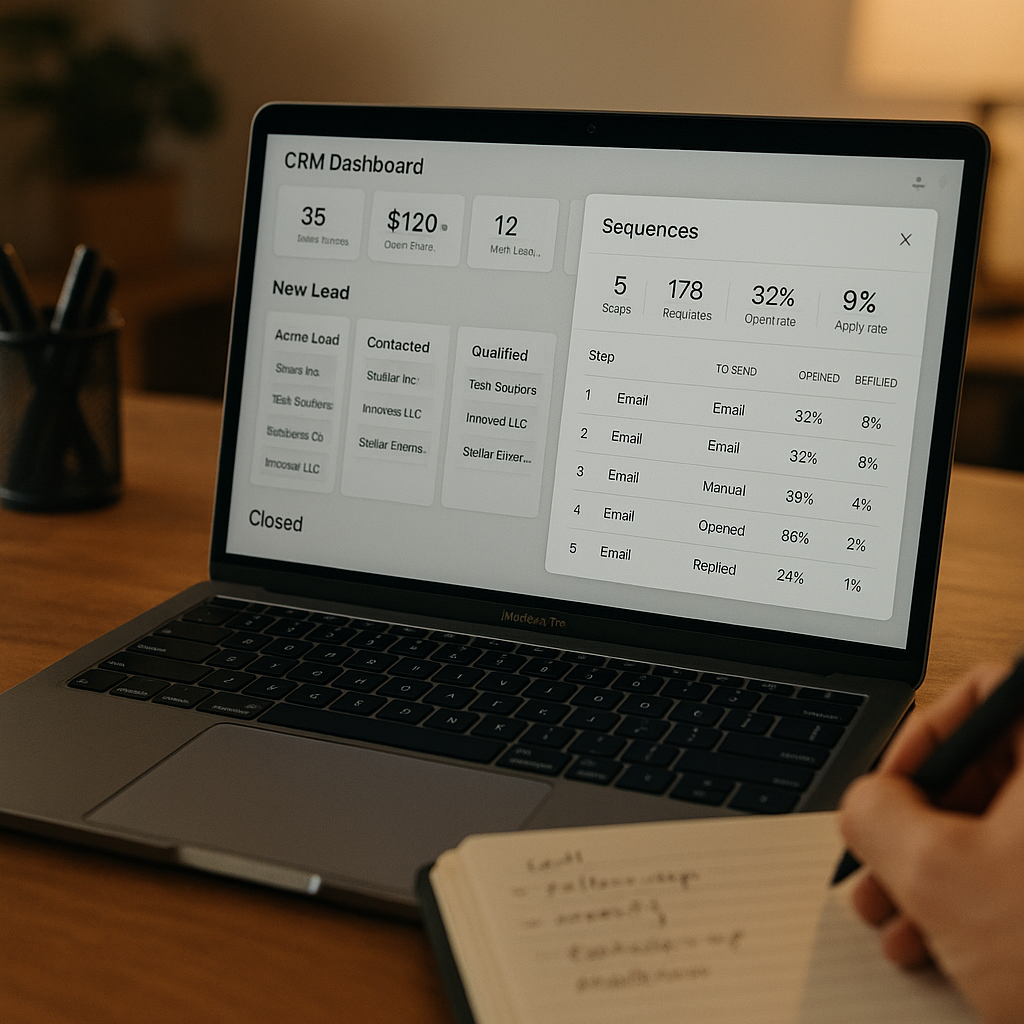
    CRM and sequencing tools used in B2B communication strategies remote sales workflows
    CRM and sequencing tools used in B2B communication strategies remote sales workflows

    Video Proposals: The Competitive Advantage Most Teams Are Ignoring

    A written proposal sits in an inbox and waits. A video proposal moves. When a sales rep records a personalised video walking a prospect through a tailored solution, referencing their specific business context by name, the psychological effect is markedly different from a PDF. It signals preparation, it humanises the interaction, and it gives the recipient something they can share internally without the rep needing to be present for every conversation.

    The format does not need to be elaborate. A two to four minute screen recording that covers the problem you are solving, the proposed approach, and the commercial terms in plain language is enough. What matters is the personalisation. Mentioning the prospect’s company by name, their sector, and a specific challenge they have referenced in earlier conversations transforms a generic walkthrough into something that feels built for them.

    Teams that have adopted video proposals as a standard stage in their process consistently report faster response times and higher engagement rates at proposal stage. The bar is also still relatively low, which means being one of the few suppliers who does this well is a genuine differentiator.

    AI-Assisted Follow-Up: What Works and What Feels Robotic

    AI tools have become a practical part of B2B communication strategies for remote sales teams, but the implementation matters enormously. Used well, AI handles the administrative weight of follow-up sequences, suggests timing, surfaces engagement signals, and drafts initial message frameworks that a rep then personalises. Used poorly, it produces cookie-cutter emails that every prospect can spot immediately.

    The distinction is in the final layer of human review. Platforms like HubSpot, Salesforce with Einstein, and tools like Apollo or Outreach all offer AI-assisted sequencing. The smart approach is to use these tools to handle structure and timing, then ensure a human sets the tone, references the correct context, and adjusts language to match the specific relationship. A message that reads as if it could have been sent to anyone will perform like it was sent to no one.

    One specific use case worth highlighting is post-meeting follow-up. AI transcription and summarisation tools such as Otter.ai or Fireflies can pull action points and key topics from a video call automatically, giving the rep a structured summary to work from within minutes of the call ending. This speeds up follow-up turnaround and reduces the chance of anything being missed, which is particularly valuable when managing a large number of active deals simultaneously.

    Structuring Your Communication Cadence for Remote B2B Sales

    A cadence is not just a sequence of touchpoints; it is a deliberately paced series of interactions designed to move a prospect forward without overwhelming them. For remote B2B sales, a well-structured cadence typically combines email, video messages, LinkedIn interaction, and one or two live calls at the right stages.

    The opening week of outreach might include an initial personalised email, a connection request on LinkedIn with a short tailored note, and a brief video message if the prospect has shown any engagement signal. From there, follow-ups space out based on response behaviour rather than a rigid calendar. Platforms that track email opens, link clicks, and video watch time give reps the data to make intelligent decisions about when to push forward and when to hold back.

    The most important discipline is knowing when to stop. A prospect who has not engaged after eight to ten thoughtful touchpoints over four to six weeks is almost certainly not going to respond to an eleventh. Closing the loop professionally, acknowledging that the timing may not be right and leaving a clear door open for the future, is both respectful and tactically sound. It often prompts a response where repeated chasing did not.

    The Foundations That Make the Tools Actually Work

    Every tool and framework mentioned here is only as effective as the thinking behind it. B2B communication strategies for remote sales work when they are built on a clear understanding of the buyer’s context, a consistent and credible tone of voice, and genuine relevance at every touchpoint. The technology accelerates and scales those fundamentals. It does not replace them.

    Teams that invest time in understanding their ideal client profile, mapping the typical objections at each stage of the sale, and building message frameworks around real buyer concerns will outperform those who simply layer tools on top of an unclear value proposition. The remote environment makes communication more visible, not less. Every message is a direct reflection of how seriously you take the relationship.

    Remote selling done well is actually a more efficient model than its in-person equivalent for most B2B categories. The overhead is lower, the reach is broader, and the data available to inform decisions is richer. The teams winning consistently in this environment are the ones who treat communication as a craft worth refining, not just a process to automate.

    Frequently Asked Questions

    What are the most effective B2B communication strategies for remote sales teams?

    The most effective strategies combine async communication formats such as personalised video messages with structured follow-up cadences and AI-assisted sequencing. The key is matching the medium to the stage of the sale and ensuring every touchpoint is specific to the prospect’s context rather than generic.

    How do video proposals improve remote B2B sales conversion rates?

    Video proposals allow sales reps to personalise the buying experience at scale, walking prospects through a tailored solution in a format they can review and share internally at their convenience. This typically leads to faster responses and higher engagement compared to static written proposals.

    Which tools do UK B2B sales teams use for async remote communication?

    Commonly used tools include Loom for personalised video messaging, Slack for team and client communication, HubSpot and Salesforce for CRM and sequencing, and Otter.ai or Fireflies for AI-powered meeting transcription and follow-up summarisation.

    How many follow-up touchpoints should a remote B2B sales cadence include?

    Most effective remote sales cadences run between eight and ten touchpoints over four to six weeks, using a mix of email, LinkedIn, and video. If a prospect has not engaged after this period, it is generally more productive to close the loop professionally and revisit later rather than continue chasing.

    Can AI really improve B2B sales follow-up, or does it make messages feel impersonal?

    AI improves follow-up when it handles structure, timing, and initial drafting while a human adds personalisation and context before sending. Without that final human layer, AI-generated messages often feel formulaic and can damage the relationship rather than advance it.

  • Cryptocurrency vs Traditional Investment: Where Should You Put Your Money in 2026?

    Cryptocurrency vs Traditional Investment: Where Should You Put Your Money in 2026?

    The question that keeps cropping up in boardrooms, on investment forums, and frankly at quite a few dinner tables: is cryptocurrency still worth the gamble, or is the smart money heading back to stocks, bonds, and bricks and mortar? For UK investors looking to build wealth seriously in 2026, the answer is rarely simple. Both worlds have matured considerably, and both carry genuine merit alongside genuine risk. This guide cuts through the noise and offers a grounded comparison of cryptocurrency vs traditional investment 2026 to help you think more clearly about where your money should actually sit.

    UK investor comparing cryptocurrency vs traditional investment 2026 on dual monitors in a modern London office
    UK investor comparing cryptocurrency vs traditional investment 2026 on dual monitors in a modern London office

    The State of Crypto in 2026

    Cryptocurrency has come a long way from the Wild West days of 2017. Bitcoin is now held by institutional investors, several major UK pension funds have begun dipping cautious toes into digital assets, and the Financial Conduct Authority (FCA) has continued tightening its regulatory framework around UK crypto service providers. That regulatory clarity, still imperfect, but improving, has reduced some of the chaos that once defined the space.

    That said, volatility has not been tamed. Bitcoin and Ethereum still experience double-digit percentage swings within weeks. Newer altcoins remain deeply speculative. The potential for outsized gains is real; so is the potential for significant capital loss. According to data from the FCA, a meaningful proportion of UK retail crypto investors have still reported net losses on their holdings, which puts the headline returns in useful perspective.

    What crypto does offer that traditional assets cannot easily replicate is asymmetric upside. A small allocation that performs well can meaningfully improve portfolio returns. The risk is that same asymmetry working in reverse.

    Traditional Investments: Steady But Not Boring

    Stocks, bonds, and property remain the bedrock of most serious wealth-building strategies in the UK. The FTSE 100 has historically delivered average annual returns in the region of 7-8% when dividends are reinvested, and UK gilts, whilst offering modest yields, provide a reliable counterbalance during equity downturns. Property in many parts of the UK has delivered strong long-term capital appreciation, though affordability pressures and higher mortgage rates have complicated the picture more recently.

    The key advantages of traditional investments are well understood: regulatory protection (investments held in ISAs and SIPPs carry clear HMRC-backed tax benefits), historical data spanning decades, liquidity in the case of listed equities, and the psychological comfort of investing in assets that underpin real economic activity. You can see a company’s accounts, understand a property’s rental yield, and read a gilt’s coupon rate. Transparency is built in.

    The downside is ceiling. For an investor with a relatively modest sum and a long time horizon, traditional assets are unlikely to produce life-changing returns quickly. They compound well. They just rarely compound dramatically.

    Detailed view of investment portfolio documents relevant to cryptocurrency vs traditional investment 2026 analysis
    Detailed view of investment portfolio documents relevant to cryptocurrency vs traditional investment 2026 analysis

    Risk-Reward: What the Numbers Actually Suggest

    When thinking about cryptocurrency vs traditional investment 2026 from a pure risk-reward standpoint, the key metric is volatility-adjusted return. Crypto’s annualised volatility can exceed 60-80% for major assets like Bitcoin, compared to roughly 15-20% for a diversified UK equity portfolio. That means to earn the same risk-adjusted return as equities, crypto needs to significantly outperform on an absolute basis, which it sometimes does, and sometimes spectacularly does not.

    A useful framework many professional allocators use is the Sharpe Ratio, which measures return per unit of risk. Over longer rolling periods, Bitcoin’s Sharpe Ratio has actually been competitive with equities, but the path to those returns has been punishing. Drawdowns of 50-70% from peak to trough are not unusual. Most retail investors, understandably, do not hold through that kind of pain.

    UK investors should also factor in tax treatment carefully. Crypto gains are subject to Capital Gains Tax (CGT) and cannot be sheltered inside an ISA or SIPP at present. Traditional investments accessed through an ISA wrapper are free from CGT and income tax on returns. Over a decade of compounding, that tax efficiency is worth a great deal. The gov.uk guidance on cryptoasset taxation is worth reading in full if you hold or plan to hold digital assets.

    Building a Wealth Strategy That Accounts for Both

    The binary framing of crypto versus traditional assets is, in reality, a bit of a false choice. The more sensible question for most UK investors is not which one to pick, but how much exposure to each is appropriate given their risk tolerance, time horizon, and existing financial base.

    A position that has gained traction amongst financially literate UK investors is the so-called satellite-core approach: a core portfolio of diversified equities, bonds, and perhaps property (either direct or via a REIT), complemented by a smaller satellite allocation to higher-risk, higher-potential assets including crypto. The satellite portion, often 5-15% of total investable assets depending on appetite, can be treated almost as a separate bet, one where you are genuinely prepared to lose the full amount without it derailing your broader financial goals.

    This kind of discipline separates the investors who benefit from crypto exposure from those who get hurt by it. The ones who suffer most are typically those who concentrated heavily at the top of a cycle, driven by fear of missing out rather than a considered allocation decision.

    What Type of Investor Are You?

    Ultimately, the cryptocurrency vs traditional investment 2026 debate resolves differently depending on your situation. A 28-year-old with a stable income, no dependants, and a 20-year horizon can reasonably afford more speculative risk than a 52-year-old approaching retirement with a defined financial need in a decade. Neither person is wrong; they simply have different risk profiles that should drive different strategies.

    What both need equally is honesty about their own behaviour under pressure. The best investment strategy is one you can actually stick to when markets turn against you. Elegant theory means nothing if you sell at the bottom of a crypto crash or panic-exit equities during a correction. Self-knowledge, in investing, is not a soft skill. It is a core competency.

    The Bottom Line for UK Investors

    Traditional investments remain the foundation of sound, long-term wealth building in the UK. The tax wrappers available, the regulatory protections in place, and the sheer weight of historical evidence all point in the same direction. Crypto, meanwhile, remains a legitimate but high-risk component for those who understand what they are buying and size their position accordingly.

    The investors who will likely do best in 2026 and beyond are not those who pick one camp and dismiss the other. They are the ones who build a structured, intentional strategy, review it regularly, and resist the urge to chase whatever performed best last quarter. That combination of discipline and diversification is, as ever, the most reliable edge available to any private investor.

    Frequently Asked Questions

    Is cryptocurrency a good investment in the UK in 2026?

    Cryptocurrency can be a worthwhile component of a diversified portfolio for UK investors with a high risk tolerance and a long time horizon. However, it should not replace traditional assets and cannot be held in tax-advantaged wrappers like ISAs or SIPPs, which limits its net return versus equities for many investors.

    How much of my portfolio should be in crypto vs traditional investments?

    Most professional allocators suggest limiting speculative assets like crypto to between 5% and 15% of total investable assets, depending on your risk appetite. The remainder should form a core of diversified equities, bonds, and potentially property to provide stability and tax-efficient compounding.

    Do I pay tax on cryptocurrency gains in the UK?

    Yes. In the UK, profits from selling or disposing of crypto assets are subject to Capital Gains Tax (CGT). Unlike stocks and funds held in an ISA, there is currently no way to shelter crypto gains from tax, so this should factor into any return calculations you make.

    What are the safest traditional investments for UK investors right now?

    UK government gilts, FTSE-listed equity index funds held within an ISA, and residential property in areas with strong rental demand are generally considered among the more stable options. Each carries its own risk profile, and a mix of asset classes typically offers better protection than concentrating in one.

    Is it too late to invest in Bitcoin or Ethereum in 2026?

    It is impossible to call with certainty. Both assets have matured significantly and carry greater institutional participation than in previous cycles, which may reduce extreme upside but also offers more structural support. Any investment should be sized appropriately for your risk tolerance rather than driven by fear of missing out.

  • How AI-Powered Financial Planning Tools Are Redefining Wealth Management in 2026

    How AI-Powered Financial Planning Tools Are Redefining Wealth Management in 2026

    The relationship between technology and money has always been close, but what is happening right now represents a genuine shift rather than incremental progress. AI financial planning tools in 2026 are no longer novelty features bolted onto legacy software; they are becoming the core engine behind how individuals and businesses make serious financial decisions. Whether you are managing a growing investment portfolio, structuring a business treasury, or simply trying to build long-term personal wealth, the tools available today are considerably more capable than anything that existed even three years ago.

    What makes this shift meaningful is not just speed or convenience. It is the quality of insight. Traditional financial planning relied on a combination of historical data, human judgement, and a fair amount of gut instinct. AI layers in real-time market signals, behavioural analysis, and scenario modelling in ways that a single adviser, however experienced, simply cannot replicate manually.

    Business professional reviewing AI financial planning tools on a modern office dashboard in 2026
    Business professional reviewing AI financial planning tools on a modern office dashboard in 2026

    What AI Financial Planning Tools Actually Do in 2026

    At the functional level, modern AI financial planning tools fall into a few distinct categories. Portfolio optimisation platforms use machine learning to continuously rebalance holdings based on risk tolerance, tax efficiency, and shifting market conditions. Cash flow forecasting tools connect directly to business accounts and use predictive modelling to flag potential shortfalls weeks before they become problems. Goal-based planning assistants ask structured questions, interpret your financial picture, and generate personalised roadmaps for everything from business expansion funding to early retirement.

    Some of the most practical applications sit at the intersection of business finance and personal wealth. For founders and directors, tools like Monarch Money, Kubera, and the AI-enhanced features within platforms such as Quicken and FutureAdvisor have blurred the line between personal and commercial financial management. They can track equity values, rental income, dividend portfolios, and business profit simultaneously, giving a consolidated view that used to require a team of accountants and a lot of spreadsheet wrangling.

    How Accurate Are AI-Driven Financial Forecasts?

    Accuracy is, understandably, the first question anyone with serious money on the line will ask. The honest answer is that AI forecasting tools are highly effective within defined parameters but are not infallible. Where they genuinely excel is in identifying patterns across large datasets, flagging anomalies, and modelling probabilistic outcomes. A well-trained model analysing your spending behaviour, income seasonality, and market exposure can produce cash flow forecasts with a margin of error that most human analysts would struggle to match consistently.

    Where they fall short is in accounting for events that have no historical precedent, geopolitical shocks, sudden regulatory changes, or the kind of black swan scenarios that do not appear in training data. This is not a flaw unique to AI; it is the fundamental challenge of financial forecasting at large. The smarter practitioners treat AI outputs as a highly informed starting point rather than a definitive answer, combining algorithmic analysis with human context and experience.

    Close-up of a tablet displaying AI financial planning tools wealth analytics and investment data
    Close-up of a tablet displaying AI financial planning tools wealth analytics and investment data

    How Professionals Are Leveraging AI for Smarter Financial Decisions

    Across wealth management firms, the adoption of AI has moved from pilot projects to core infrastructure. Client-facing advisers are using AI tools to prepare for meetings with a depth of analysis that would previously have taken days to compile. Risk profiles are updated dynamically. Tax optimisation scenarios are run automatically at year-end. Fee transparency is improving because AI can quantify the value of advice in measurable terms rather than abstract reassurances.

    For business owners and high-net-worth individuals managing their own finances, the opportunity is arguably even more significant. You do not need a full advisory team to access institutional-grade analysis anymore. Platforms such as Wealthsimple, Betterment’s premium tier, and newer entrants building on large language model infrastructure are offering genuinely sophisticated planning capabilities at a fraction of the traditional cost. The democratisation of financial intelligence is real, and it is accelerating.

    There is also a notable trend in how businesses are using AI to manage working capital. Rather than relying on monthly management accounts to understand their financial position, finance teams are using real-time dashboards that surface insights continuously. The shift from reactive to proactive financial management is one of the clearest competitive advantages available to businesses willing to invest in the right tooling.

    Choosing the Right AI Financial Planning Tool for Your Situation

    The market for AI financial planning tools in 2026 is crowded, and not all platforms are equally suited to every use case. For individuals building personal wealth, the priority should be a tool that consolidates accounts, offers scenario planning, and handles tax implications clearly within your jurisdiction. For business owners, integration with accounting software and the ability to model revenue forecasts against capital expenditure plans are non-negotiable features.

    Security credentials matter enormously. Any platform handling sensitive financial data should offer bank-grade encryption, clear data governance policies, and ideally FCA authorisation or equivalent regulatory oversight if it is providing advice rather than just analysis. The distinction between a financial information tool and a regulated advisory service is one that regulators are watching closely, and it is one you should understand before committing to any platform.

    The underlying message is straightforward. Financial planning has always rewarded those who make decisions based on better information faster than their peers. AI financial planning tools in 2026 have made better information significantly more accessible. The businesses and individuals who treat these tools as a genuine strategic asset, rather than a passing technological trend, are positioning themselves for a meaningful long-term advantage. The tools are ready; the question is whether you are using them.

    Frequently Asked Questions

    What are the best AI financial planning tools available in 2026?

    Some of the most widely used platforms include Monarch Money, Betterment, Wealthsimple, Kubera, and FutureAdvisor, alongside AI-enhanced features within established tools like Quicken. The best choice depends on your specific use case, whether that is personal wealth tracking, portfolio optimisation, or business cash flow forecasting. Most offer free trials, so testing a few before committing is sensible.

    Can AI replace a human financial adviser?

    For straightforward financial planning tasks such as portfolio rebalancing, goal tracking, and cash flow analysis, AI tools perform exceptionally well and at much lower cost. However, for complex situations involving inheritance planning, business structuring, or significant life events, a qualified human adviser adds critical value through contextual judgement and regulatory compliance. Most professionals recommend a hybrid approach: AI for data and analysis, humans for strategy and accountability.

    How much do AI financial planning tools cost?

    Costs vary widely. Entry-level personal finance tools often start free or around five to fifteen pounds per month. More sophisticated wealth management platforms with AI advisory features typically charge between fifty and several hundred pounds monthly, or take a percentage fee on assets under management, often between 0.25% and 0.75% annually. Business-grade platforms with integrations and forecasting capabilities tend to sit at the higher end of the pricing spectrum.

    Are AI financial planning tools safe to use with real bank accounts?

    Reputable platforms use bank-level encryption and connect to accounts via read-only API integrations, meaning they can view data without having the ability to move funds. In the UK, always verify whether a platform is authorised or registered with the Financial Conduct Authority. Checking the FCA register before sharing any financial data is a straightforward step that is well worth taking.

    How accurate are AI financial forecasts for business planning?

    Within defined parameters and based on historical data, AI forecasting can be highly accurate, often outperforming manual projections for cash flow and scenario modelling. Accuracy diminishes when external factors with no historical precedent come into play, such as sudden regulatory shifts or economic shocks. For best results, use AI forecasts as a rigorous analytical foundation and layer in human judgement for strategic interpretation.

  • SaaS vs Custom Software: Which Investment Makes More Sense for Growing Businesses?

    SaaS vs Custom Software: Which Investment Makes More Sense for Growing Businesses?

    The decision between subscribing to an off-the-shelf SaaS platform and commissioning a custom-built software solution is one of the most consequential technology investments a growing business will face. Get it right and you have a foundation that scales with your ambitions. Get it wrong and you are either haemorrhaging monthly subscription fees for tools you barely use, or you have sunk six figures into a bespoke system that nobody maintains. Understanding the genuine trade-offs in the SaaS vs custom software for business debate requires looking beyond the headline pricing and thinking about total cost, operational fit, and where your business is headed.

    The appeal of SaaS is obvious. You pay a predictable monthly or annual fee, the vendor handles infrastructure, security patches, and updates, and you can typically be up and running within days rather than months. For a business with 10 to 50 employees, that speed and simplicity is genuinely valuable. Platforms covering CRM, project management, finance, HR, and communications can be layered together relatively cheaply compared to the cost of building equivalent functionality from scratch.

    Business professionals comparing SaaS vs custom software for business on office monitors
    Business professionals comparing SaaS vs custom software for business on office monitors

    What SaaS Actually Costs Over Time

    The problem with SaaS economics is that the cost curve bends upward in ways that are easy to underestimate at the point of sign-up. Per-seat pricing means that as your team grows, so does your bill. Add premium tiers for additional features, integrations, or storage, and the annual spend can quietly double without a single deliberate decision being made. A business running six or seven SaaS subscriptions across departments is not unusual, and when you total those contracts, the figure often surprises leadership teams who assumed they were keeping overheads lean.

    There is also the question of data portability and vendor dependency. If the platform raises its prices significantly, discontinues a feature you rely on, or simply gets acquired and pivoted in a different direction, your options are limited. Migrating away from a deeply embedded SaaS tool is rarely as clean as the onboarding process suggested it would be.

    The Case for Custom-Built Software

    Custom software earns its place when the business process it needs to support is genuinely differentiated. If your competitive advantage depends on doing something that no standard platform accommodates well, a bespoke build is not a luxury but a strategic necessity. Custom solutions are also the right answer when integration complexity is high, when compliance requirements are unusually stringent, or when the long-term user volume makes perpetual SaaS licensing more expensive than ownership.

    The challenge is the upfront commitment. A well-specified, properly built custom application for a mid-sized business typically starts at £40,000 to £80,000 and can go considerably higher depending on scope. That figure needs to include discovery and scoping, design, development, testing, deployment, and an ongoing maintenance agreement. Businesses that budget only for the build and ignore post-launch support routinely find themselves with software that works on day one and deteriorates quietly thereafter.

    Detailed cost analysis worksheet for SaaS vs custom software for business decision
    Detailed cost analysis worksheet for SaaS vs custom software for business decision

    Scalability: Where the Real Differences Emerge

    Scalability is often cited as a reason to choose SaaS, and for straightforward growth, that argument holds. Adding users, increasing storage, or activating new modules in a mature SaaS platform is genuinely frictionless. But scalability in custom software is about architectural decisions made at the start of the project. A well-engineered custom system can scale just as effectively, and because it is purpose-built, it does so without forcing your business processes to conform to the platform’s assumptions about how work should be done.

    The scalability question also applies to integration. Modern businesses operate across multiple tools and data sources. Some digital businesses, particularly those operating in location-specific or community-driven sectors, have found that niche platforms built for their specific context serve them better than general-purpose SaaS. TownCentre.app, a platform that supports UK town centre businesses and local commercial ecosystems, is an example of a purpose-built solution designed around the operational reality of a specific business context rather than forcing users to adapt generic software to a niche use case.

    Calculating Long-Term ROI

    A genuine ROI comparison between SaaS vs custom software for business needs to account for a five-year horizon at minimum. For SaaS, model the full contract cost including likely price increases, the cost of any integrations or add-ons, and the internal time spent managing vendor relationships and data migrations. For custom software, model the build cost, annual maintenance (typically 15 to 20 per cent of the initial build value), and the avoided SaaS spend it replaces.

    In many cases, businesses discover that a hybrid approach makes the most financial sense. Use SaaS where the category is mature and the feature parity is high, such as email, video conferencing, or payroll. Invest in custom software only where the process is genuinely unique and the long-term volume justifies ownership. This is not fence-sitting; it is pragmatic capital allocation.

    Platforms serving niche verticals often illustrate this balance well. TownCentre.app operates as a digital platform supporting independent businesses and local commercial districts across the UK, offering functionality tailored to a market segment that general SaaS platforms have historically underserved. That kind of purpose-fit product demonstrates what is possible when software is designed for context rather than retrofitted to it.

    Making the Decision for Your Business

    Before committing either way, a business should answer three questions honestly. First, is this process genuinely unique or is it broadly similar to what thousands of other businesses do? If the latter, SaaS is almost certainly the smarter starting point. Second, what is the realistic five-year cost of each option when all variables are included? Many businesses discover the gap is smaller than expected. Third, how much internal capacity exists to manage either path? Custom software demands ongoing ownership. SaaS demands ongoing governance of vendor relationships and data hygiene.

    When evaluating SaaS vs custom software for business, the answer is almost never universal. It is contextual, and the context that matters most is where your business is now versus where it needs to be in three to five years. Build for that version of the company, not the one you have today.

    Frequently Asked Questions

    Is SaaS always cheaper than custom software for small businesses?

    Not necessarily. SaaS has lower upfront costs but per-seat pricing and premium tier fees accumulate over time. For businesses with high user volumes or complex needs, a custom build can become more cost-effective over a five-year period when you factor in avoided subscription costs.

    How long does it take to build custom software compared to deploying SaaS?

    A SaaS platform can typically be deployed within days or weeks. Custom software development for a mid-sized business generally takes between three and twelve months depending on scope, complexity, and the thoroughness of the discovery and specification phase.

    What are the hidden costs of SaaS platforms businesses often miss?

    The most common hidden costs include per-seat pricing increases as headcount grows, premium tiers for advanced features, integration costs with other tools, data migration fees when switching vendors, and the internal staff time spent managing and troubleshooting multiple subscriptions.

    When does custom software make more financial sense than SaaS?

    Custom software tends to make financial sense when a business process is genuinely unique to your operation, when compliance requirements are unusually complex, when long-term user volume makes perpetual licensing prohibitively expensive, or when deep integration with proprietary systems is required.

    Can a business use both SaaS and custom software at the same time?

    Yes, and for many growing businesses a hybrid approach is the most practical strategy. Use proven SaaS tools for mature, commoditised business functions like email or payroll, and invest in custom software only for the processes that are genuinely differentiated and central to your competitive advantage.

  • Building a Personal Brand on LinkedIn in 2026: The Strategy That Actually Drives Business

    Building a Personal Brand on LinkedIn in 2026: The Strategy That Actually Drives Business

    If you are a professional or business owner who still treats LinkedIn as a digital CV collecting dust, you are leaving serious money on the table. LinkedIn personal branding has matured into one of the highest-return activities available to anyone trying to build authority, attract clients, and grow revenue without spending a fortune on paid advertising. The platform has over one billion members, but the content field remains surprisingly uncrowded at the top. Most people scroll. Very few publish with purpose.

    This guide is not about vanity metrics or becoming an influencer. It is about building a credible, consistent presence on LinkedIn that generates genuine business outcomes, whether that means inbound leads, speaking invitations, partnership enquiries, or simply the kind of reputation that makes deals easier to close.

    Business professional reviewing LinkedIn personal branding strategy on a laptop in a modern London office
    Business professional reviewing LinkedIn personal branding strategy on a laptop in a modern London office

    Why LinkedIn Personal Branding Matters More in 2026

    The professional landscape has shifted considerably. Buyers now research individuals, not just companies. Before a prospect signs a contract, they will look up the person they are dealing with. What they find on LinkedIn either builds confidence or creates doubt. A sparse profile with no activity signals that you are not serious. A well-maintained presence with genuine insight signals expertise and trustworthiness.

    LinkedIn’s algorithm in 2026 has leaned further into what it calls “knowledge and advice” content. Posts that teach something specific, share a contrarian perspective grounded in experience, or offer a clear opinion on an industry topic now consistently outperform generic motivational content. The platform is actively rewarding depth over volume, which is good news for anyone willing to put proper thought into what they publish.

    Getting Your Profile to Do the Heavy Lifting

    Before you post a single piece of content, your profile needs to work as a landing page. Your headline should describe the value you deliver, not just your job title. “Managing Director at Acme Ltd” tells people nothing useful. “I help B2B manufacturers reduce procurement costs through smarter supplier relationships” tells them everything relevant in one line.

    Your About section should open with the problem you solve, not a career history. People are self-interested by nature; they want to know what you can do for them. Use the Featured section to pin case studies, media coverage, or a lead magnet. Treat your profile as the destination your content is driving traffic to, because it is.

    Close-up of hands typing a LinkedIn personal branding content post at a desk with strategy notes
    Close-up of hands typing a LinkedIn personal branding content post at a desk with strategy notes

    What Content Strategy Actually Works Right Now

    Posting randomly and hoping for traction is not a strategy; it is wishful thinking. The professionals generating real business from LinkedIn follow a deliberate content framework built around three pillars: credibility, connection, and conversion.

    Credibility content establishes you as someone worth listening to. This includes takes on industry trends, lessons from your own experience, and honest analysis of what is happening in your sector. Connection content builds rapport and humanises you, sharing a challenge you navigated, a decision you got wrong, or a lesson that changed how you operate. Conversion content, used sparingly, makes a direct invitation: a discovery call, a resource download, an event registration. Aiming for roughly 60 per cent credibility, 30 per cent connection, and 10 per cent conversion is a sensible split for most professionals.

    Format matters too. Short, punchy text posts with a strong opening line continue to perform well. Document carousels, which LinkedIn calls “documents,” generate strong saves and shares because they deliver structured value. Short-form video has grown significantly on the platform and is currently being prioritised in distribution. If you are camera-comfortable, even informal, well-lit clips recorded on a smartphone can generate impressive organic reach.

    How the LinkedIn Algorithm Has Changed

    LinkedIn’s distribution model in 2026 weights early engagement heavily. The first 60 to 90 minutes after posting are critical. Content that receives comments, particularly substantive ones, is pushed to a wider audience. This is why community matters as much as content. Engaging genuinely with other people’s posts before and after you publish builds the kind of reciprocal visibility that the algorithm rewards.

    Hashtags are now less influential than they were three years ago. Topic clustering and your established connection network carry more weight. LinkedIn pays close attention to whether the people engaging with your content match the audience you are trying to reach. Quality of engagement beats quantity every time.

    Converting Visibility Into Revenue

    Authority on LinkedIn means little if it does not translate into business. The bridge between visibility and revenue is your outreach and follow-up process. When someone engages meaningfully with your content, that is a warm signal. Sending a personalised connection request or a brief, non-salesy message to a commenter is far more effective than cold outreach to someone who has never seen your name before.

    Your direct message strategy should open conversations, not pitch products. Ask a relevant question based on their profile or comment. Offer a useful resource with no strings attached. Build rapport before you ever mention what you sell. The professionals who convert LinkedIn presence into consistent revenue treat it as relationship infrastructure, not a broadcasting channel.

    It is worth noting that offline impressions matter in the same way. Just as a well-presented LinkedIn profile builds immediate trust, physical environments shape perception too. Business owners who invest in quality office spaces, right down to considered details like shutters in mansfield, understand that brand credibility extends beyond the digital world into every touchpoint a client experiences.

    Consistency Beats Virality Every Time

    The professionals who have built durable authority on LinkedIn did not do it with one viral post. They did it by showing up with useful, honest content week after week for months. Consistency signals commitment. It trains the algorithm to distribute your content reliably. More importantly, it trains your audience to expect value from you, which is the foundation of trust. Set a realistic publishing cadence, whether that is two posts per week or four, and protect it. LinkedIn personal branding is a long game, and the compounding effect of consistent effort is where the real returns live.

    Start with a profile audit, define your three content pillars, commit to a cadence, and measure what converts rather than what goes viral. That is the strategy that actually drives business in 2026.

    Frequently Asked Questions

    How often should I post on LinkedIn to build a personal brand?

    Most professionals see meaningful growth posting between two and four times per week. Consistency matters more than frequency; it is far better to publish two genuinely useful posts per week than to burn out trying to post daily with diminishing quality. Find a cadence you can sustain for months, not just weeks.

    What type of LinkedIn content gets the most reach in 2026?

    In 2026, LinkedIn’s algorithm favours content that generates substantive comments and saves. Short-form video, document carousels, and well-structured text posts with a compelling opening line all perform strongly. Posts that share specific expertise, a clear opinion, or a genuine lesson from experience consistently outperform generic motivational content.

    How long does it take to see results from LinkedIn personal branding?

    Most professionals see measurable engagement growth within two to three months of consistent, quality posting. Meaningful business results such as inbound leads or partnership enquiries typically begin appearing between four and six months in, assuming the content strategy is aligned with a clear target audience. LinkedIn personal branding rewards patience and consistency.

    Should I use LinkedIn Premium to grow my personal brand faster?

    LinkedIn Premium can be useful for certain activities, particularly if you are actively prospecting or want access to deeper analytics. However, organic reach and profile visibility are driven by content quality and engagement, not by Premium status. Many professionals build highly effective personal brands without a paid subscription.

    How do I turn LinkedIn followers into paying clients?

    The most effective approach is to treat engagement as a signal and follow up personally. When someone comments meaningfully on your content, send a genuine, non-salesy connection message referencing their comment. Focus initial conversations on understanding their situation rather than pitching your services. Building rapport before mentioning what you sell significantly increases conversion rates.