
Remote selling is no longer a contingency plan. For most B2B sales teams across the UK, it is simply how business gets done. The challenge is that the old playbook, built on face-to-face meetings, handshakes at trade shows, and working a room at networking events, does not translate cleanly to a distributed environment. What does translate is having a sharper, more deliberate approach to communication. The teams consistently closing deals remotely are not just using more tools; they are using the right frameworks.
This piece breaks down what those frameworks look like in practice, specifically for B2B teams who want their B2B communication strategies remote sales efforts to produce real pipeline rather than polite email threads that go nowhere.
Why Most Remote B2B Communication Falls Flat
The problem is rarely effort. Sales reps are often sending plenty of messages. The issue is timing, format, and relevance. A prospect who receives a dense, eight-paragraph email on a Tuesday morning at 8:47 is not going to read it carefully. They are going to skim it, feel slightly overwhelmed, and move on to the next thing. That is not a failure of the product or the relationship; it is a failure of communication design.
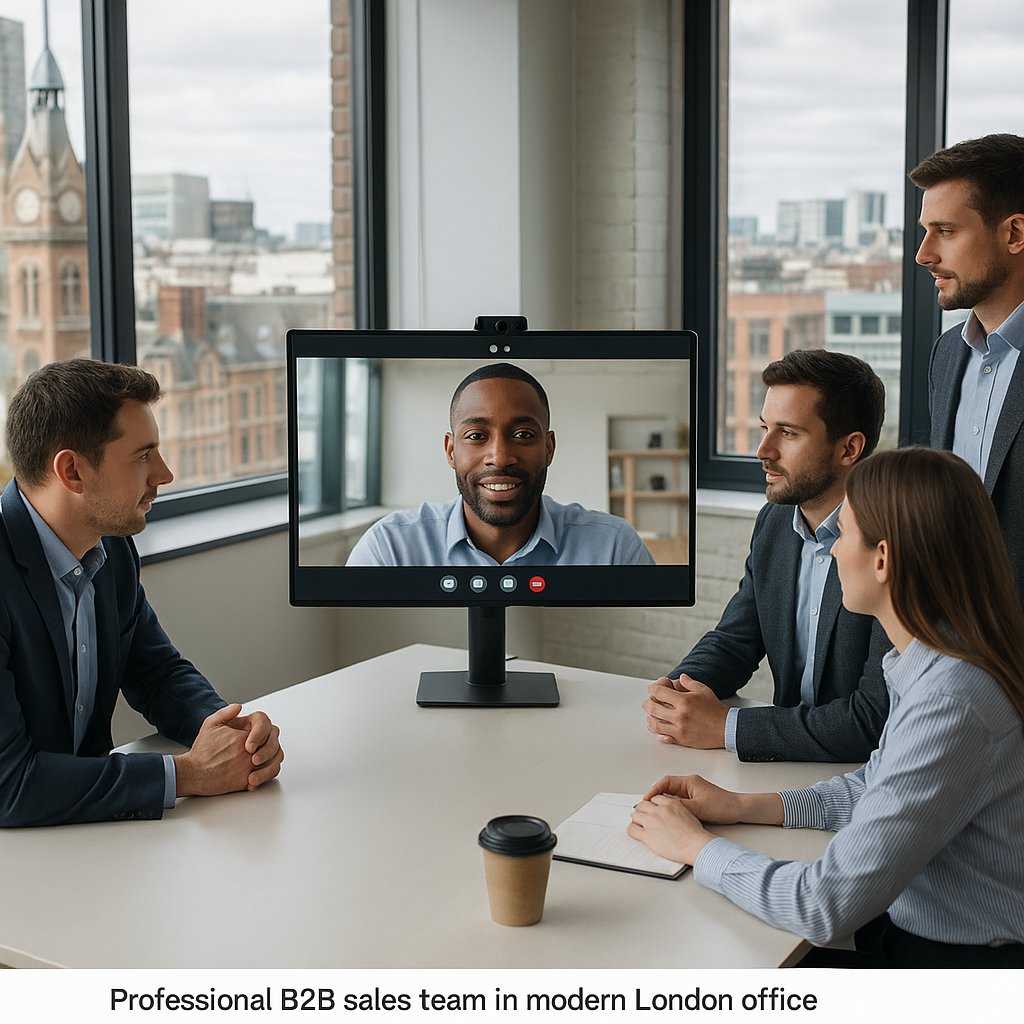
Remote B2B selling strips away the contextual cues you get in person. You cannot read the room, adjust your tone in real time, or pick up on a client’s body language when they are uncertain. That gap has to be filled by structure, specificity, and the right choice of medium at each stage of the sales cycle.
Building an Async-First Communication Culture Without Losing Momentum
Asynchronous communication is a significant advantage in remote B2B sales, provided it is managed well. The core principle is simple: not every interaction needs to happen in real time, and pushing for live calls at every stage often slows things down rather than accelerating them.
The most effective async frameworks tend to work in layers. Initial outreach is brief and specific, referencing something genuinely relevant to the prospect’s business rather than a generic opener. Follow-ups add value incrementally, whether that is a relevant case study, a short piece of market data, or a concise answer to an anticipated objection. The goal is to keep the conversation progressing without demanding the prospect’s full attention in the moment.
Tools like Loom, Notion, and Slack have become standard infrastructure for UK B2B teams operating across time zones or with hybrid client bases. Loom in particular has earned its place in the async toolkit because it allows reps to record short, personalised walkthroughs of proposals or product features that the prospect can watch on their own schedule. According to research cited by the CIPD, communication quality is one of the strongest predictors of remote working outcomes, which applies equally to client-facing teams as it does to internal ones.
Video Proposals: The Competitive Advantage Most Teams Are Ignoring
A written proposal sits in an inbox and waits. A video proposal moves. When a sales rep records a personalised video walking a prospect through a tailored solution, referencing their specific business context by name, the psychological effect is markedly different from a PDF. It signals preparation, it humanises the interaction, and it gives the recipient something they can share internally without the rep needing to be present for every conversation.
The format does not need to be elaborate. A two to four minute screen recording that covers the problem you are solving, the proposed approach, and the commercial terms in plain language is enough. What matters is the personalisation. Mentioning the prospect’s company by name, their sector, and a specific challenge they have referenced in earlier conversations transforms a generic walkthrough into something that feels built for them.
Teams that have adopted video proposals as a standard stage in their process consistently report faster response times and higher engagement rates at proposal stage. The bar is also still relatively low, which means being one of the few suppliers who does this well is a genuine differentiator.
AI-Assisted Follow-Up: What Works and What Feels Robotic
AI tools have become a practical part of B2B communication strategies for remote sales teams, but the implementation matters enormously. Used well, AI handles the administrative weight of follow-up sequences, suggests timing, surfaces engagement signals, and drafts initial message frameworks that a rep then personalises. Used poorly, it produces cookie-cutter emails that every prospect can spot immediately.
The distinction is in the final layer of human review. Platforms like HubSpot, Salesforce with Einstein, and tools like Apollo or Outreach all offer AI-assisted sequencing. The smart approach is to use these tools to handle structure and timing, then ensure a human sets the tone, references the correct context, and adjusts language to match the specific relationship. A message that reads as if it could have been sent to anyone will perform like it was sent to no one.
One specific use case worth highlighting is post-meeting follow-up. AI transcription and summarisation tools such as Otter.ai or Fireflies can pull action points and key topics from a video call automatically, giving the rep a structured summary to work from within minutes of the call ending. This speeds up follow-up turnaround and reduces the chance of anything being missed, which is particularly valuable when managing a large number of active deals simultaneously.
Structuring Your Communication Cadence for Remote B2B Sales
A cadence is not just a sequence of touchpoints; it is a deliberately paced series of interactions designed to move a prospect forward without overwhelming them. For remote B2B sales, a well-structured cadence typically combines email, video messages, LinkedIn interaction, and one or two live calls at the right stages.
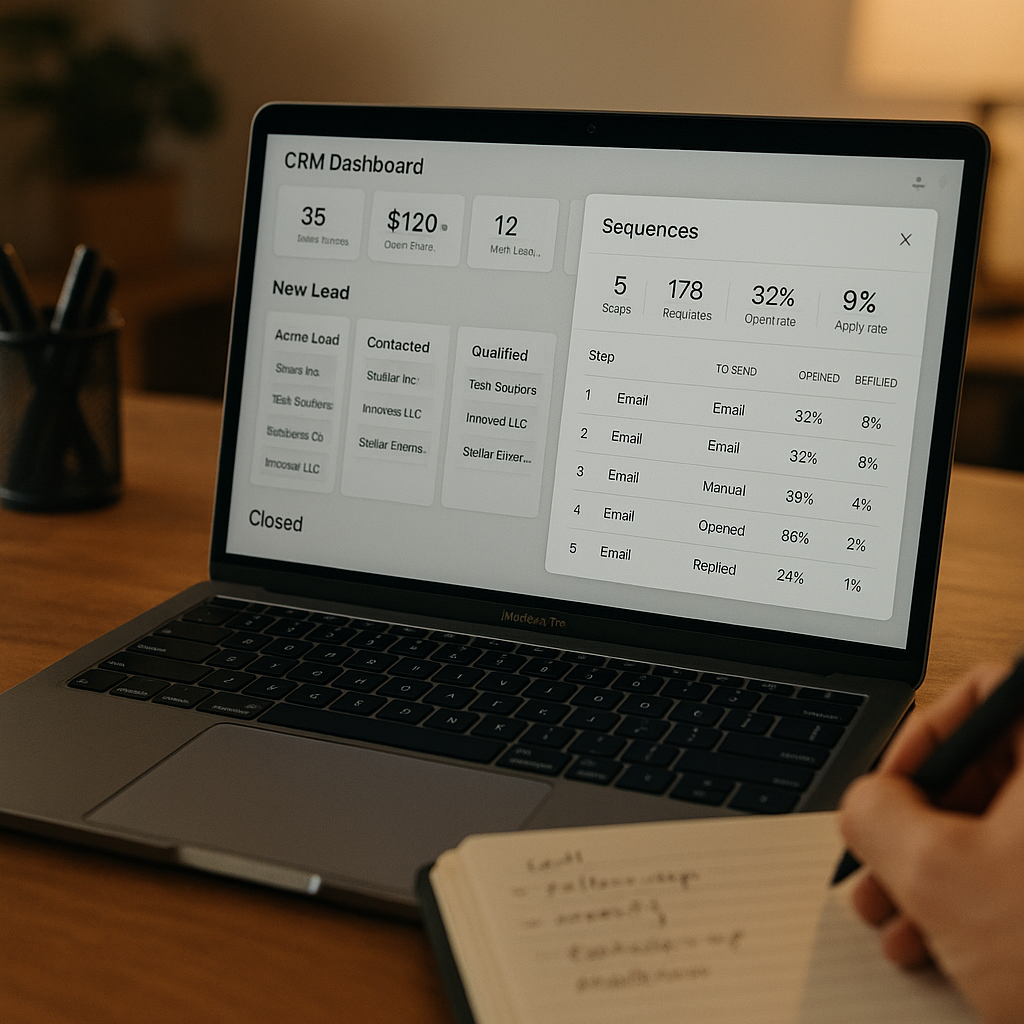
The opening week of outreach might include an initial personalised email, a connection request on LinkedIn with a short tailored note, and a brief video message if the prospect has shown any engagement signal. From there, follow-ups space out based on response behaviour rather than a rigid calendar. Platforms that track email opens, link clicks, and video watch time give reps the data to make intelligent decisions about when to push forward and when to hold back.
The most important discipline is knowing when to stop. A prospect who has not engaged after eight to ten thoughtful touchpoints over four to six weeks is almost certainly not going to respond to an eleventh. Closing the loop professionally, acknowledging that the timing may not be right and leaving a clear door open for the future, is both respectful and tactically sound. It often prompts a response where repeated chasing did not.
The Foundations That Make the Tools Actually Work
Every tool and framework mentioned here is only as effective as the thinking behind it. B2B communication strategies for remote sales work when they are built on a clear understanding of the buyer’s context, a consistent and credible tone of voice, and genuine relevance at every touchpoint. The technology accelerates and scales those fundamentals. It does not replace them.
Teams that invest time in understanding their ideal client profile, mapping the typical objections at each stage of the sale, and building message frameworks around real buyer concerns will outperform those who simply layer tools on top of an unclear value proposition. The remote environment makes communication more visible, not less. Every message is a direct reflection of how seriously you take the relationship.
Remote selling done well is actually a more efficient model than its in-person equivalent for most B2B categories. The overhead is lower, the reach is broader, and the data available to inform decisions is richer. The teams winning consistently in this environment are the ones who treat communication as a craft worth refining, not just a process to automate.
Frequently Asked Questions
What are the most effective B2B communication strategies for remote sales teams?
The most effective strategies combine async communication formats such as personalised video messages with structured follow-up cadences and AI-assisted sequencing. The key is matching the medium to the stage of the sale and ensuring every touchpoint is specific to the prospect’s context rather than generic.
How do video proposals improve remote B2B sales conversion rates?
Video proposals allow sales reps to personalise the buying experience at scale, walking prospects through a tailored solution in a format they can review and share internally at their convenience. This typically leads to faster responses and higher engagement compared to static written proposals.
Which tools do UK B2B sales teams use for async remote communication?
Commonly used tools include Loom for personalised video messaging, Slack for team and client communication, HubSpot and Salesforce for CRM and sequencing, and Otter.ai or Fireflies for AI-powered meeting transcription and follow-up summarisation.
How many follow-up touchpoints should a remote B2B sales cadence include?
Most effective remote sales cadences run between eight and ten touchpoints over four to six weeks, using a mix of email, LinkedIn, and video. If a prospect has not engaged after this period, it is generally more productive to close the loop professionally and revisit later rather than continue chasing.
Can AI really improve B2B sales follow-up, or does it make messages feel impersonal?
AI improves follow-up when it handles structure, timing, and initial drafting while a human adds personalisation and context before sending. Without that final human layer, AI-generated messages often feel formulaic and can damage the relationship rather than advance it.
Leave a Reply